

Retirement changes everything about how you cook, and honestly, that’s one of the best parts. These top rated fresh recipes for retirees came out of real conversations with my parents and their friends, people who finally have time to enjoy food again but don’t want to spend three hours in the kitchen. Fresh ingredients, shorter prep times, and meals that actually taste like something. That combination matters more than any complicated technique ever could.
1. Herb-Crusted Baked Salmon with Lemon and Capers
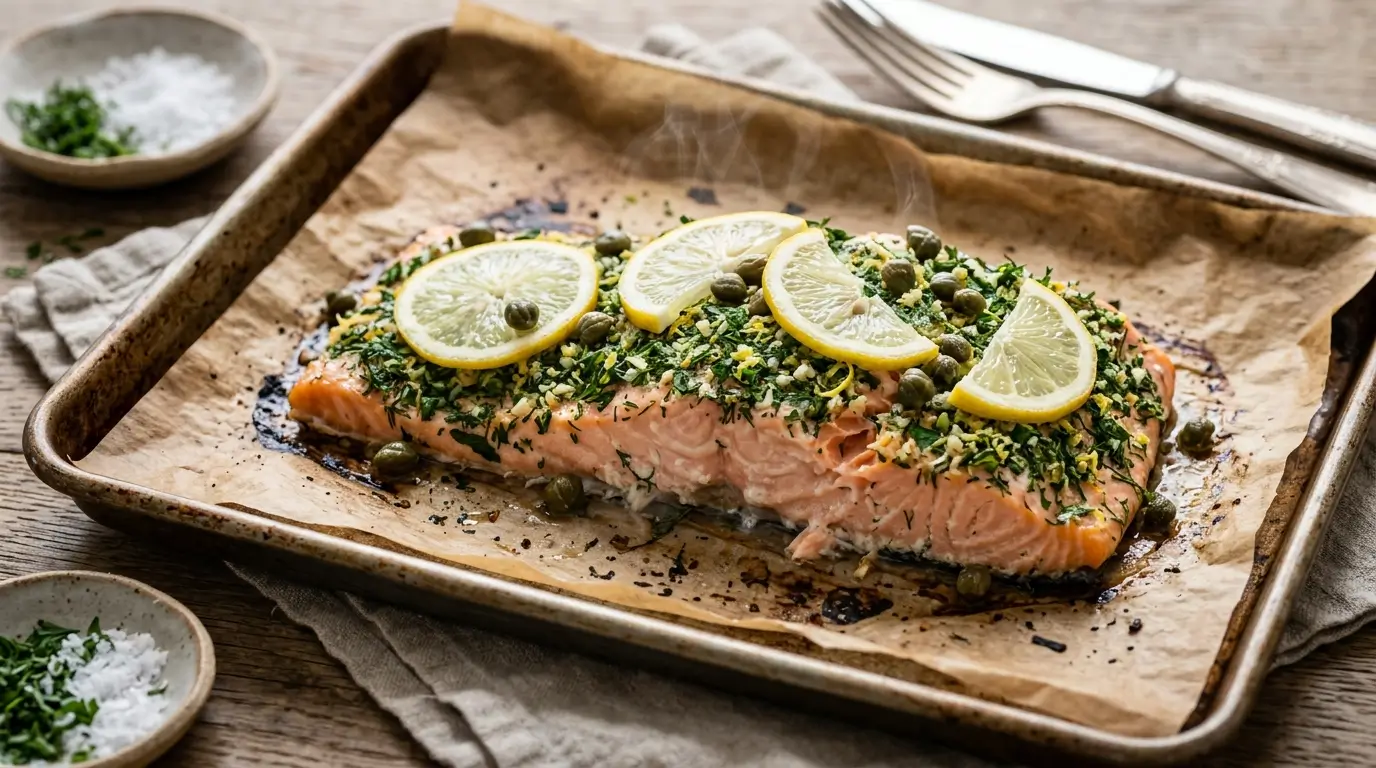
Salmon earns its reputation fast. Place a filet on a parchment-lined baking sheet, coat the top with a mixture of fresh dill, parsley, lemon zest, olive oil, and a handful of capers. Bake at 375°F for 18 minutes.
The result is flaky, bright, and sophisticated without requiring a culinary degree. Salmon is rich in omega-3 fatty acids, which support heart and joint health, two things that matter more with every passing year. Pair it with steamed green beans or a simple arugula salad and you have a complete meal in under 30 minutes that feels genuinely special.
2. Mediterranean Chickpea and Vegetable Stew
Few dishes deliver more nutrition per spoonful than this one. Sauté diced onion, garlic, and red bell pepper in olive oil for five minutes. Add a can of crushed tomatoes, a can of chickpeas, vegetable broth, cumin, smoked paprika, and a handful of fresh spinach. Simmer for 20 minutes.
The chickpeas provide plant-based protein and fiber, which helps with digestion and keeping blood sugar steady. This stew tastes even better the next day, which makes it perfect for cooking once and eating twice. Serve it with a slice of crusty sourdough bread for a meal that feels comforting no matter what season it is.
3. Fresh Caprese Salad with Heirloom Tomatoes and Basil
Some recipes are nearly too simple to write down, but this one earns its place every single summer. Slice ripe heirloom tomatoes and fresh mozzarella into thick rounds. Alternate them on a plate. Tuck fresh basil leaves between each slice. Drizzle generously with good-quality extra virgin olive oil and a pinch of flaky sea salt.
That’s it. No cooking required whatsoever. The magic is entirely in the quality of your ingredients, so buy the best tomatoes you can find at the farmers market, and use a mozzarella that’s still soft and milky. IMO, this is the one recipe where skimping on ingredients actually ruins everything. Sprinkle a little balsamic glaze over the top if you want something a touch more elegant.
4. One-Pot Lemon Chicken and Orzo
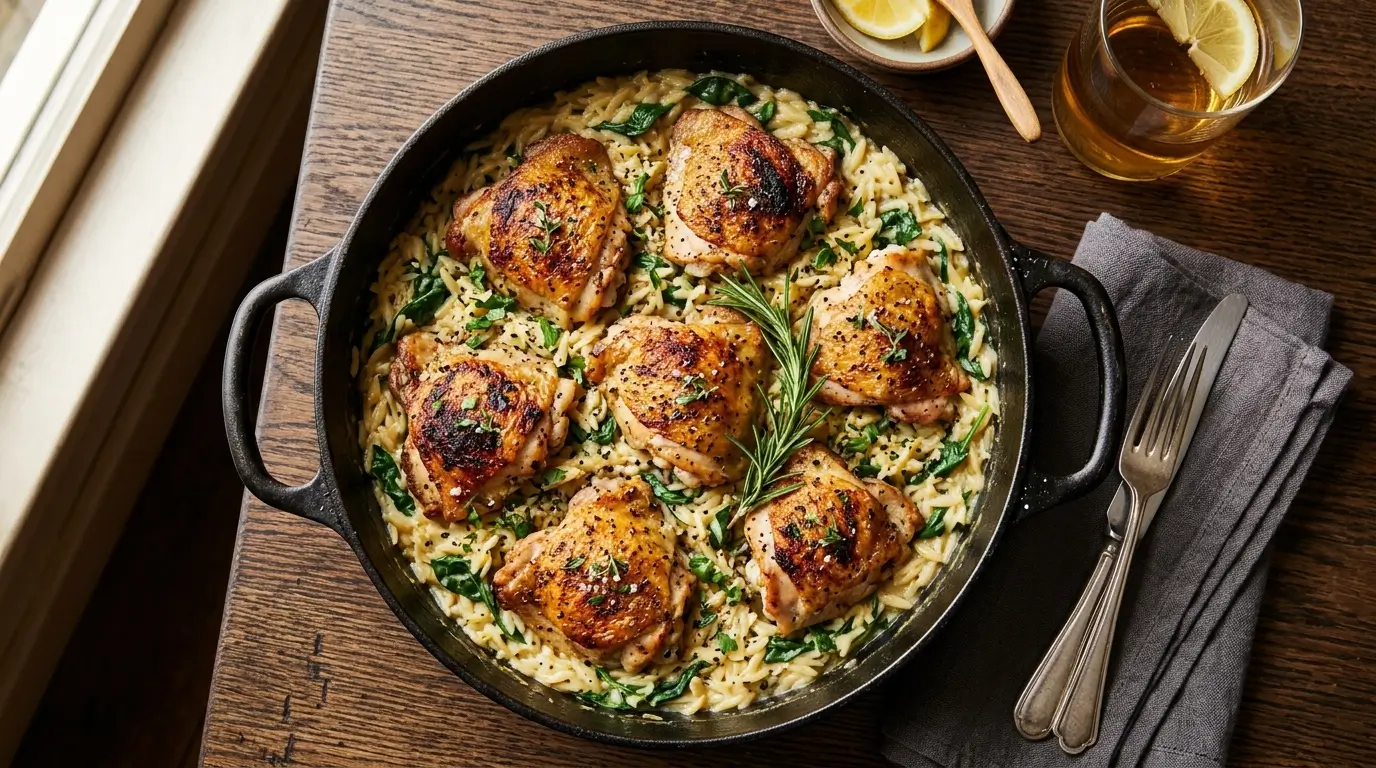
This dish became a staple in my mother’s kitchen almost immediately after she retired. Brown bone-in chicken thighs in an oven-safe pot with olive oil. Remove the chicken, sauté garlic and shallots in the same pot, then add orzo, chicken broth, lemon juice, and lemon zest. Nestle the chicken back on top and bake at 400°F for 30 minutes.
The orzo absorbs the lemon-forward broth and turns creamy and rich without any cream at all. The chicken stays juicy because of the bone. Everything cooks in one single pot, which means almost no cleanup. Stir in fresh spinach right before serving. My mother makes a double batch every Sunday and eats it well into Tuesday.
5. Avocado and Smoked Salmon Toast on Whole Grain Bread
This isn’t a millennial food trend. It’s genuinely one of the most nutritionally complete quick meals you can make. Toast a slice of thick whole grain bread. Smash half a ripe avocado onto it with a fork. Lay two or three slices of smoked salmon on top. Finish with a squeeze of lemon, a few capers, and fresh cracked pepper.
You get healthy fats, lean protein, and complex carbohydrates in about four minutes of effort. This works as breakfast, lunch, or a light dinner. Look for cold-smoked wild salmon from brands like Vital Choice or whatever your local grocery carries in the refrigerated seafood section. The quality difference between good and mediocre smoked salmon is enormous.
6. Roasted Beet and Goat Cheese Salad with Walnuts
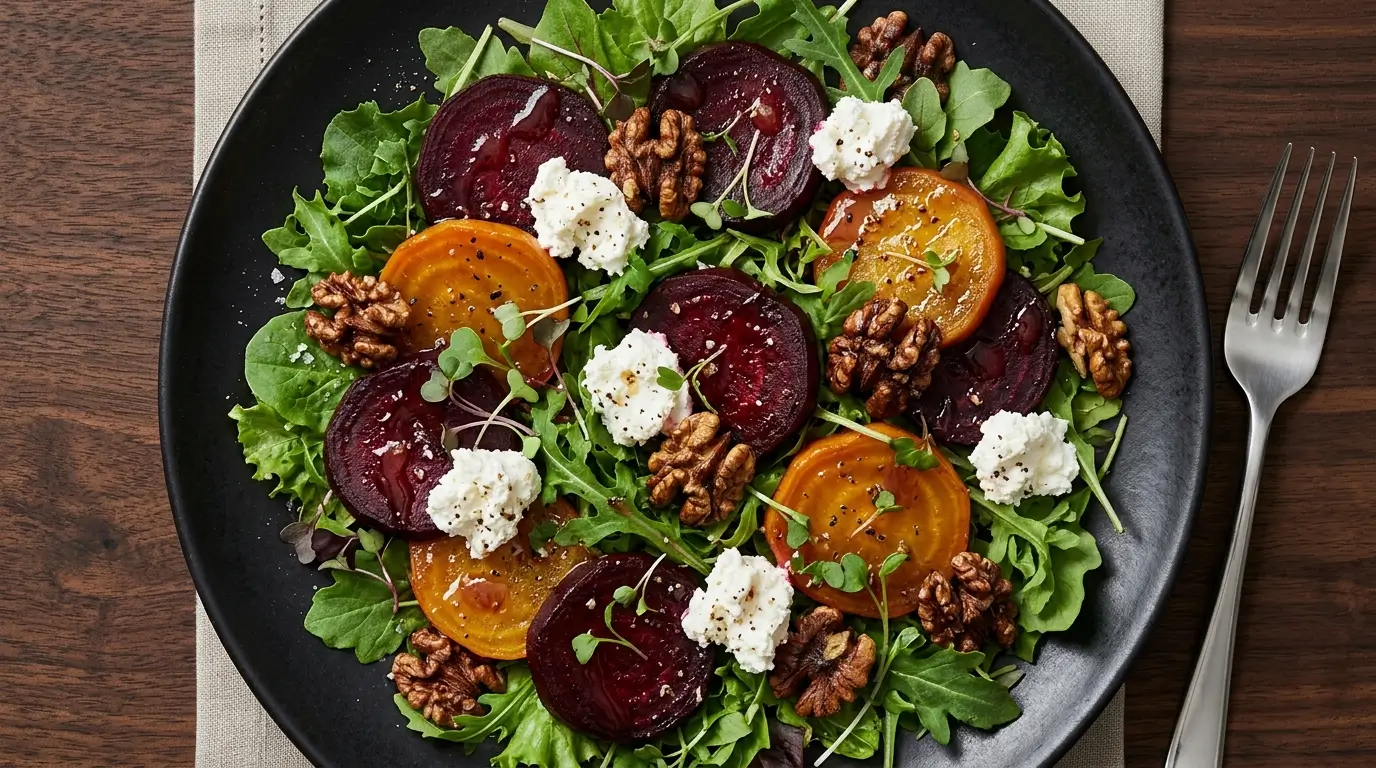
Roasting beets sounds intimidating but takes almost zero active effort. Wrap whole beets individually in foil and roast at 400°F for 45 to 60 minutes depending on size. Let them cool, then peel and slice them. Arrange over a bed of mixed greens with crumbled goat cheese, toasted walnuts, and a simple red wine vinaigrette.
Beets are genuinely impressive nutritionally, supporting blood pressure and stamina. The goat cheese adds creaminess and tang that balances the earthiness of the beets perfectly. You can roast a whole batch of beets on Sunday and use them across multiple salads throughout the week. This salad consistently shows up on lists of top rated fresh recipes for retirees because it looks beautiful and tastes even better.
7. Simple Tuscan White Bean and Kale Soup
Cold evenings call for something warm and deeply satisfying. Heat olive oil in a large pot and cook diced onion, celery, and carrots for about eight minutes. Add minced garlic, a can of white cannellini beans, vegetable broth, a parmesan rind if you have one, and two large handfuls of chopped fresh kale. Simmer for 25 minutes.
The parmesan rind is the secret weapon here. It melts into the broth and adds a savory depth that makes the soup taste like it simmered all afternoon. Remove the rind before serving. Top each bowl with a drizzle of olive oil and a fresh grating of parmesan. This soup freezes brilliantly, so make a big pot and stock your freezer without guilt.
8. Fresh Herb Frittata with Seasonal Vegetables
A frittata is one of those endlessly flexible recipes that rewards whatever is sitting in your vegetable drawer. Whisk six eggs with a splash of milk, salt, pepper, and a generous handful of fresh herbs like chives, parsley, or basil. Sauté any vegetables you like, zucchini, cherry tomatoes, mushrooms, or thinly sliced potatoes work beautifully. Pour the egg mixture over the vegetables in an oven-safe skillet and cook on the stovetop for three minutes, then transfer to a 375°F oven for 12 to 15 minutes until set.
Slice it like a pie and serve warm or at room temperature. It holds well in the fridge for two days, making it equally good for breakfast, lunch, or a light dinner. FYI, a well-seasoned cast iron skillet or a nonstick oven-safe pan makes this completely effortless.
9. Chilled Gazpacho with Fresh Garden Tomatoes
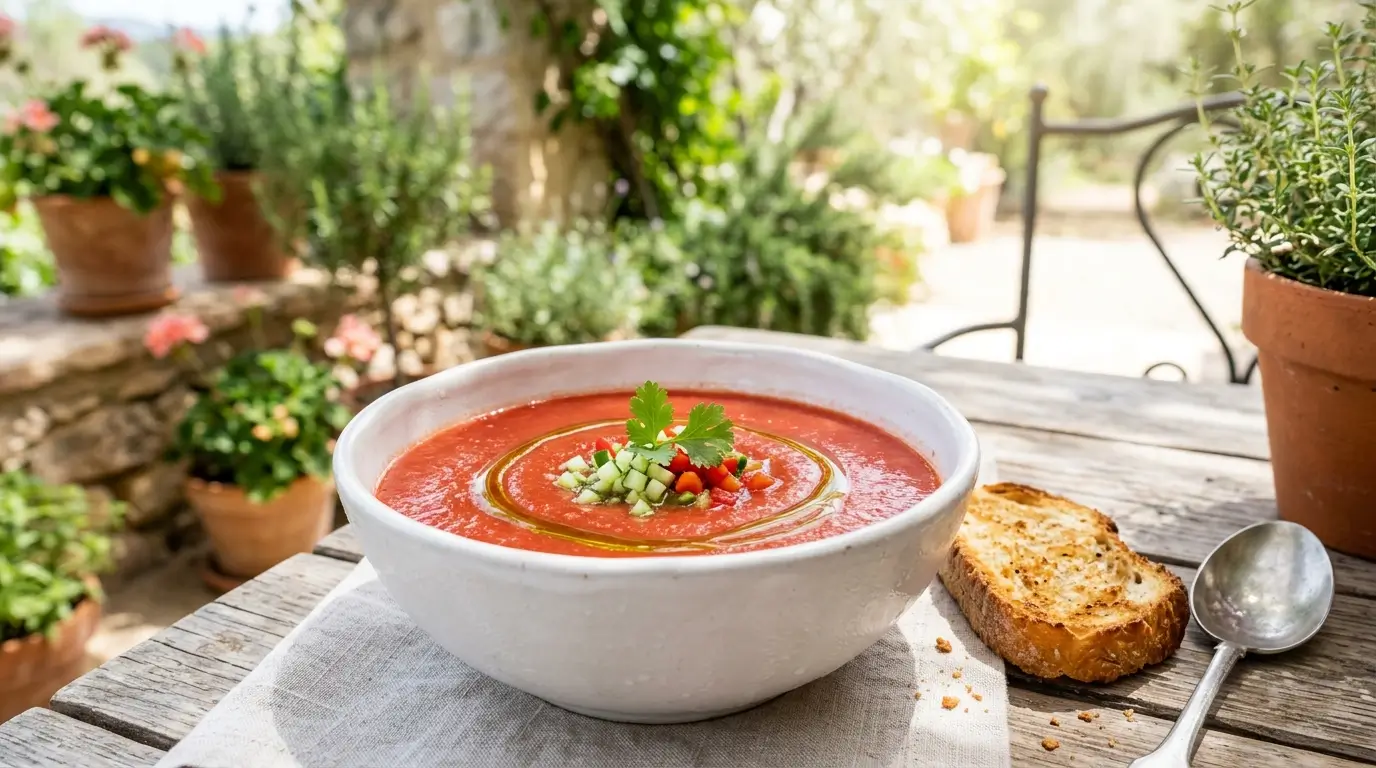
Gazpacho requires zero cooking and tastes best made a day ahead, which makes it the most retirement-friendly recipe on this list. Blend ripe tomatoes, cucumber, red bell pepper, a small clove of garlic, red wine vinegar, olive oil, and salt until smooth. Adjust seasoning, then refrigerate overnight.
Serve it cold in bowls with a drizzle of olive oil and diced fresh cucumber on top. The flavor deepens dramatically after a night in the fridge. This soup is hydrating, low in calories, and packed with lycopene from the tomatoes. Make a big blender batch on a Sunday afternoon and enjoy it through the middle of the week.
10. Grilled Peach and Arugula Salad with Prosciutto
Stone fruit on a grill changes completely in flavor. Halve fresh peaches and grill cut-side down for about four minutes until you get clear char marks. Let them cool slightly, then slice and arrange over a bed of peppery arugula. Drape thin slices of prosciutto around the plate. Dress with a simple honey and balsamic vinaigrette.
This salad works as a starter or a full light lunch. The sweetness of the grilled peach against the salty prosciutto and bitter arugula hits every flavor note at once. It looks stunning on a plate, which is genuinely satisfying when you finally have the time and peace to set a proper table and enjoy a meal slowly.
Why Top Rated Fresh Recipes for Retirees Deserve More Attention
Fresh cooking gets dismissed as complicated or time-consuming, but that reputation is completely undeserved for the right recipes. Retirees who cook with fresh ingredients consistently report feeling better, eating more mindfully, and genuinely enjoying mealtimes more than they did during their working years.
The shift from processed convenience food to fresh, simple cooking doesn’t have to be dramatic. Start with two or three recipes from this list. Buy what looks good at the farmers market or grocery store. Let the ingredient quality do most of the work. Real food made from fresh produce, lean proteins, and good olive oil is genuinely hard to mess up when the recipe keeps things simple.
Shopping seasonally keeps costs reasonable and flavors at their peak. Spring means asparagus and peas. Summer is all tomatoes and stone fruit. Fall brings squash and root vegetables. Winter calls for citrus and hearty greens. Cooking this way keeps the kitchen interesting all year without requiring an expensive grocery haul.
FAQs
What makes these top rated fresh recipes for retirees different from regular recipes?
These recipes prioritize simplicity, nutrition, and real flavor without long prep times or complicated techniques. They use fresh whole ingredients that support heart health, joint health, and steady energy, things that matter more as you age. Most of them also make great leftovers, so you cook less often without sacrificing quality.
How do I keep fresh ingredients from going to waste?
Plan loosely for three to four meals per week and shop accordingly. Buy versatile ingredients that cross over between recipes, like fresh herbs, olive oil, lemons, and leafy greens. Store herbs in a glass of water in the fridge like cut flowers. They last significantly longer that way than stuffed in a plastic bag.
Are these recipes suitable for people managing blood pressure or cholesterol?
Most of them are very well suited for heart-conscious eating. The Mediterranean-style dishes, especially the chickpea stew, salmon, white bean soup, and the salads, align closely with dietary approaches shown to support cardiovascular health. Always check with your doctor about specific dietary needs, since individual health situations vary widely.
Can I prep any of these meals in advance?
Several of them are actually better made ahead. The gazpacho, Tuscan white bean soup, Mediterranean chickpea stew, and mason jar-style salads all improve after a night in the fridge. The frittata holds well for two days. Batch cooking two or three things on a weekend afternoon gives you easy meals throughout the week with almost no daily effort.
What kitchen tools make fresh cooking easier for retirees?
A sharp chef’s knife makes the biggest difference of anything. A good nonstick or cast iron skillet handles most stovetop cooking. A high-powered blender like a Vitamix or Ninja handles soups and smoothies. A sheet pan lined with parchment paper means roasting with almost no cleanup. These four tools cover about 90% of what every recipe on this list requires.
Conclusion
Cooking fresh doesn’t have to mean cooking complicated, and retirement is honestly the best time to figure that out. These recipes reward good ingredients and relaxed attention, which is exactly the kind of cooking most people actually enjoy once the pressure of a work schedule is gone. Which one are you planning to try first?

Leave a Reply