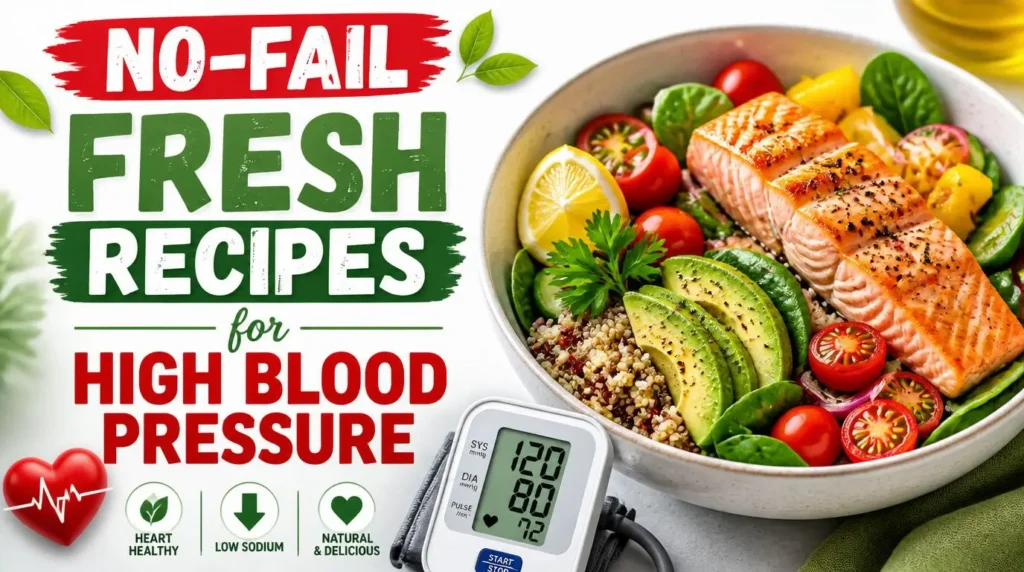

Cooking for high blood pressure feels like a creativity funeral until you realize flavor and low sodium are not mutually exclusive. These no-fail fresh recipes for high blood pressure came out of a very real year I spent overhauling my mother’s diet after her doctor delivered a serious warning about her numbers. She was convinced heart-healthy food meant tasteless food. Every single recipe on this list proved her wrong, and she now makes most of them herself without any prompting from me.
1. Herb-Roasted Salmon with Fresh Dill and Lemon
Salmon earns its place at the top of any blood pressure-friendly meal list because of its potassium and omega-3 fatty acid content, both of which support healthy blood vessel function. Place a salmon filet on a parchment-lined sheet pan. Rub it with olive oil, fresh dill, lemon zest, garlic, and cracked pepper. No added salt needed because the lemon and fresh herbs carry the flavor completely.
Roast at 400°F for 13 minutes. The filet stays moist, flakes cleanly, and tastes bright and clean rather than flat. Pair it with steamed broccoli or a simple arugula salad. This dinner contains almost no sodium from natural ingredients and delivers a genuinely satisfying meal without a single compromise in flavor.
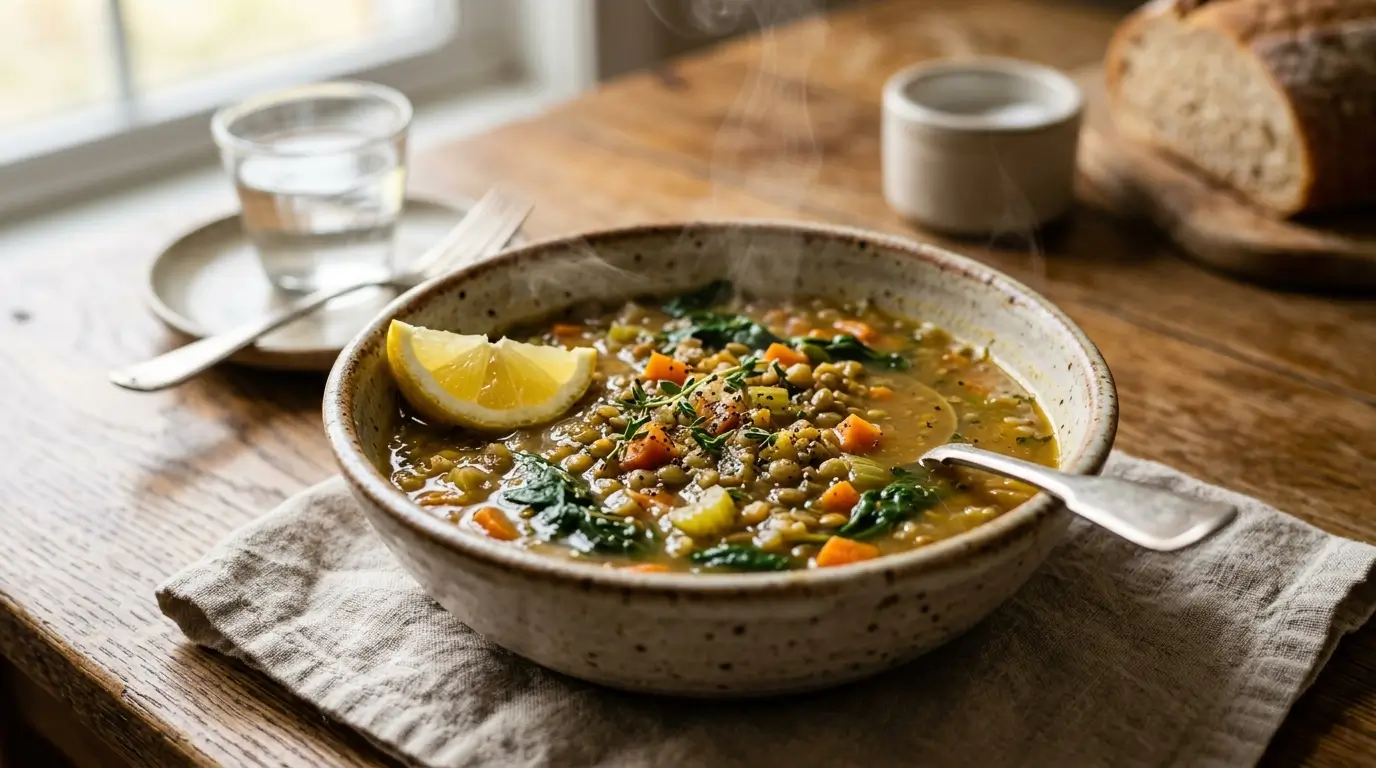
2. DASH-Friendly Lentil and Vegetable Soup
The DASH diet, which stands for Dietary Approaches to Stop Hypertension, consistently ranks as one of the most evidence-backed eating patterns for managing blood pressure through food. Lentil soup fits perfectly into that framework. Sauté diced onion, carrot, and celery in olive oil without any added salt. Add garlic, cumin, turmeric, and smoked paprika for depth. Pour in no-salt-added vegetable broth and green or brown lentils.
Simmer for 30 minutes until the lentils are fully tender. Stir in fresh spinach and a squeeze of lemon juice right before serving. The potassium from the lentils and spinach actively supports blood pressure management, and the soup tastes rich and complex without a milligram of added sodium. My mother requests this one almost every week.
3. Garlic and Herb Baked Chicken Thighs with Roasted Sweet Potatoes
Sweet potatoes are one of the single best foods for high blood pressure because they’re exceptionally rich in potassium, a mineral that helps counteract the effects of sodium in the body. Dice two large sweet potatoes, toss with olive oil, garlic powder, and dried rosemary, and spread across a sheet pan. Season bone-in chicken thighs with fresh garlic, lemon juice, dried thyme, olive oil, and pepper. Arrange them on the same pan.
Roast at 425°F for 35 minutes. The chicken skin crisps without any salt needed because the garlic and herbs do all the work. This dinner feels completely satisfying and contains naturally occurring sodium levels that are negligible. Batch roast extra sweet potatoes for the week since they reheat beautifully as a side for any other meal.
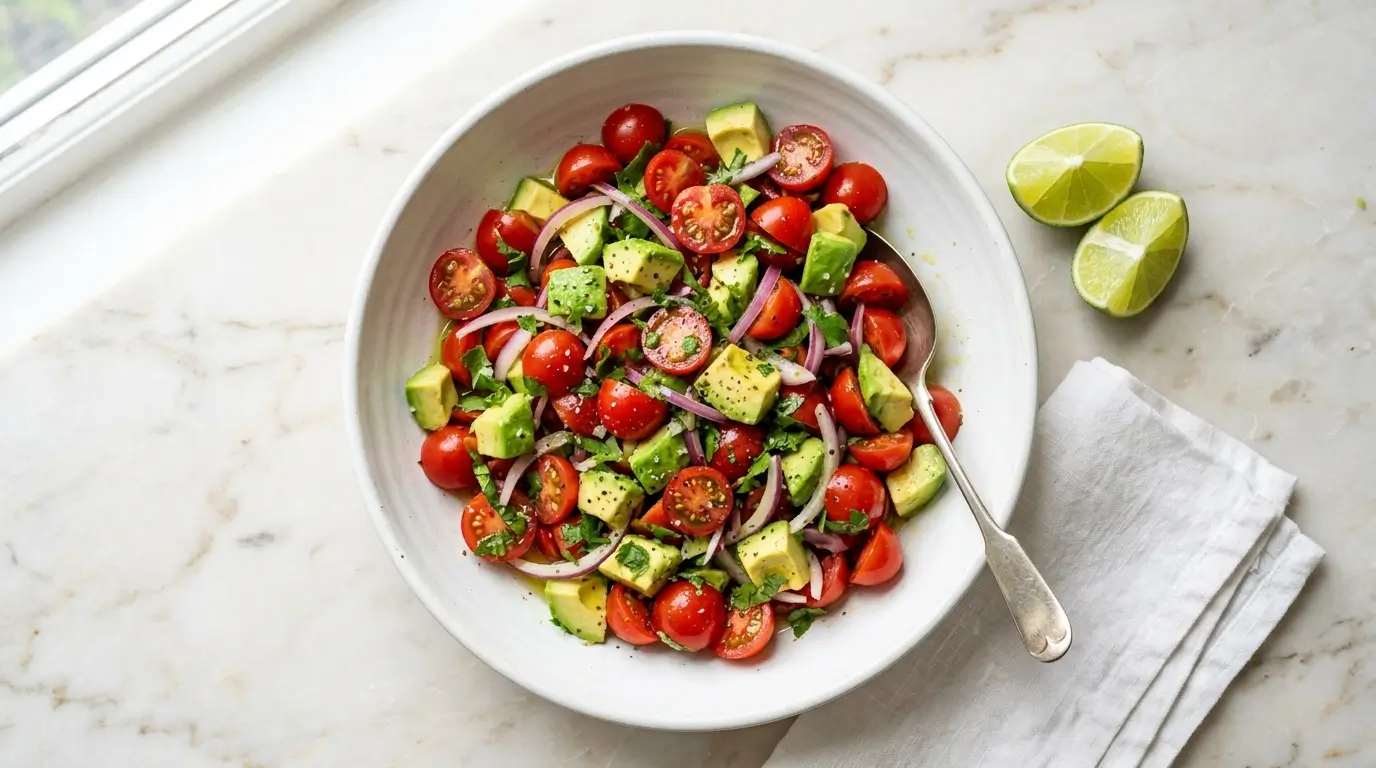
4. Fresh Tomato and Avocado Salad with Lime and Cilantro
Few combinations deliver more cardiovascular benefit per bowl than tomatoes and avocado together. Tomatoes provide lycopene and potassium. Avocados deliver potassium, magnesium, and heart-healthy monounsaturated fats. Dice two ripe tomatoes and one large avocado into rough chunks. Add thinly sliced red onion, a generous handful of fresh cilantro, and the juice of one lime.
Season with a tiny pinch of salt, just a pinch, and plenty of black pepper. Toss gently. Let the salad sit for five minutes before eating so the lime juice softens the onion slightly. The natural acidity of the lime acts as a flavor amplifier that makes the small amount of salt go much further than you’d expect. This salad takes four minutes and tastes genuinely vibrant.
5. Banana and Spinach Smoothie with Oat Milk
Bananas are one of the most well-known sources of potassium, and blending them with spinach adds magnesium to the mix, another mineral strongly associated with healthy blood pressure levels. Blend one ripe banana, a large handful of baby spinach, one cup of unsweetened oat milk, half a cup of frozen blueberries, and a tablespoon of natural almond butter until completely smooth.
The spinach disappears entirely into the blue-purple color of the blueberries. You cannot taste it at all. The almond butter adds protein and healthy fat that makes this smoothie filling enough to replace breakfast rather than just supplement it. No added sugar, no salt, no complicated steps. A Nutribullet handles this in 30 seconds with minimal cleanup.
6. Mediterranean Chickpea and Cucumber Bowl with Fresh Herbs
Chickpeas provide potassium, magnesium, and fiber in one affordable package, making them ideal for blood pressure-friendly cooking. Drain and rinse a can of chickpeas. Combine with diced cucumber, halved cherry tomatoes, thinly sliced red onion, Kalamata olives, and a large handful of fresh flat-leaf parsley. Dress with olive oil, red wine vinegar, dried oregano, and black pepper.
Skip the feta cheese if you need to keep sodium very low, or use a small amount if your overall daily sodium budget allows for it. The olives already contribute some sodium, so balance accordingly. This bowl refrigerates well for two days, making it one of the most practical no-fail fresh recipes for high blood pressure that actually works in a real weekday schedule.
7. Oatmeal with Fresh Berries and Ground Flaxseed
Oatmeal contains beta-glucan, a type of soluble fiber shown in multiple studies to support modest reductions in blood pressure over time. Cook rolled oats in water or unsweetened almond milk. Add no sugar during cooking. Top the finished bowl with fresh blueberries or sliced strawberries, a teaspoon of ground flaxseed, and a very small drizzle of honey if you want a touch of sweetness.
The ground flaxseed adds omega-3 fatty acids and additional fiber. Whole flaxseeds pass through the digestive system largely undigested, so always use ground. Bob’s Red Mill sells pre-ground golden flaxseed that keeps well in the freezer for months. This breakfast costs almost nothing and takes five minutes, including the oat cooking time.
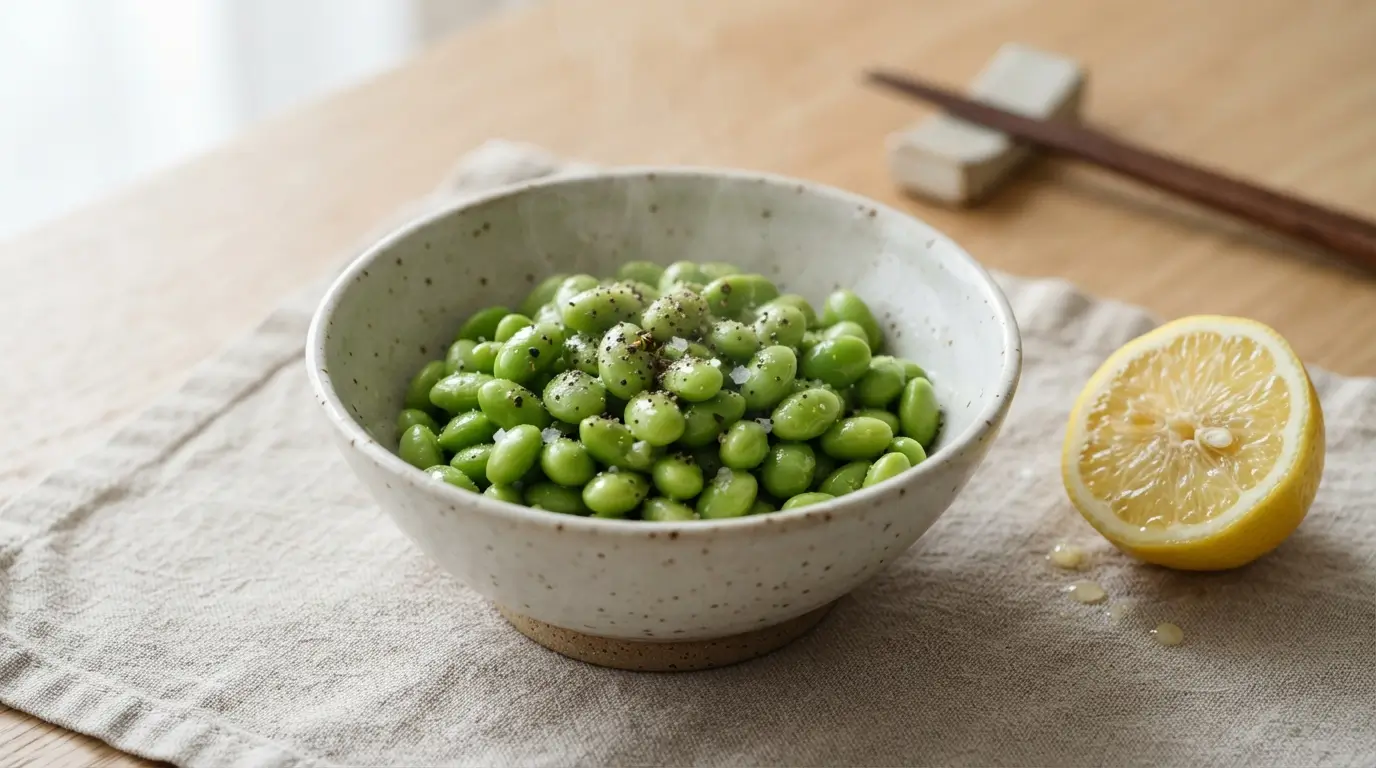
8. Steamed Edamame with Fresh Lemon and Black Pepper
Edamame sometimes gets overlooked as a serious food because people associate it with restaurant appetizers, but it’s genuinely worth having at home regularly. One cup of shelled edamame provides over 600 milligrams of potassium and nearly 18 grams of plant-based protein. Steam frozen edamame in the microwave according to package directions, usually three to four minutes.
Drain, toss with a squeeze of fresh lemon juice, cracked black pepper, and a tiny pinch of garlic powder. Eat as a snack, a side dish, or a protein addition to grain bowls. Skip the salt entirely because the lemon juice and garlic add enough flavor to make the edamame taste complete. This is the snack I swapped in for my mother instead of salted crackers, and she didn’t complain once.
9. Grilled Portobello Mushrooms with Fresh Herbs and Balsamic Glaze
Portobello mushrooms have a meaty texture and depth of flavor that makes them genuinely satisfying as a main component of a meal. They also contain potassium and are naturally very low in sodium. Marinate two large portobellos in olive oil, minced garlic, fresh thyme, and a splash of balsamic vinegar for 15 minutes. Grill or pan-cook them over medium-high heat for four to five minutes per side.
The mushrooms soften and develop a rich, savory flavor from the balsamic and garlic without needing a single grain of added salt. Serve them sliced over a bed of arugula with cherry tomatoes and a drizzle of extra balsamic glaze. This meal works beautifully as a light dinner or a satisfying lunch that supports rather than strains cardiovascular health.
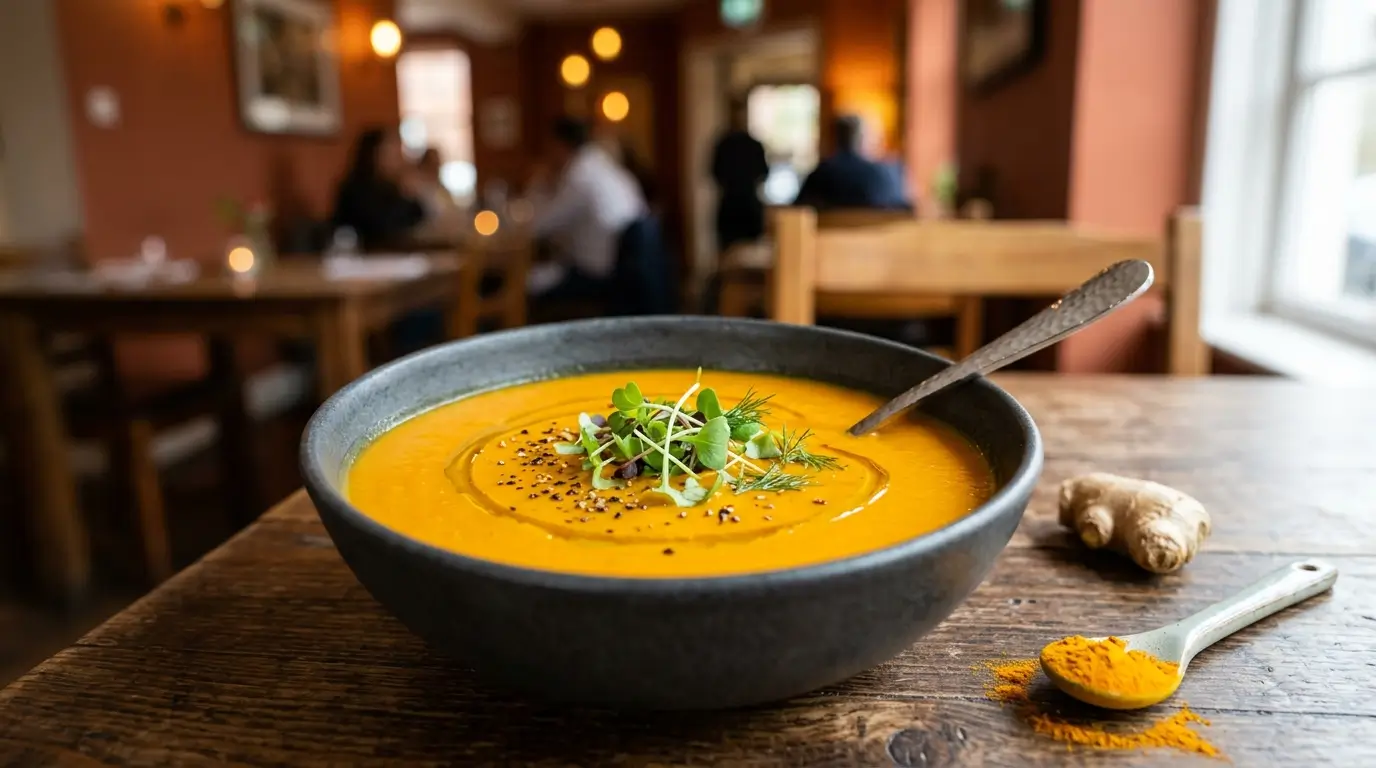
10. Fresh Ginger and Turmeric Carrot Soup
Carrots provide beta-carotene and potassium. Fresh ginger supports circulation. Turmeric contains curcumin, which has well-documented anti-inflammatory properties. Together they make a soup that tastes wonderful and works hard for blood pressure health. Sauté diced onion and garlic in olive oil until soft. Add roughly chopped carrots, a thumb-sized piece of fresh ginger grated finely, one teaspoon of turmeric, and enough no-salt-added vegetable broth to cover.
Simmer for 20 minutes until the carrots are completely tender. Blend until smooth with an immersion blender. Finish with a squeeze of fresh lemon juice and a crack of black pepper. The ginger adds warmth and the lemon brightens the whole pot. This soup tastes like something you’d order at a health-focused restaurant and costs about $4 to make for four servings at home.
Why No-Fail Fresh Recipes for High Blood Pressure Work Better Than Low-Sodium Packaged Foods
Packaged “low-sodium” products often still contain 400 to 600 milligrams of sodium per serving, which adds up fast across a full day of eating. Fresh cooking gives you complete control over what goes into your food, which is the most reliable way to actually manage daily sodium intake.
Fresh herbs, citrus juice, vinegar, garlic, ginger, and spices are the tools that make low-sodium cooking genuinely flavorful rather than punishingly bland. Once you build the habit of reaching for these flavor sources instead of the salt shaker, the adjustment happens faster than most people expect.
The DASH dietary pattern, which forms the nutritional backbone of these no-fail fresh recipes for high blood pressure, emphasizes potassium-rich foods, lean proteins, whole grains, and healthy fats while limiting sodium to 1,500 to 2,300 milligrams per day. Cooking fresh meals built around the ingredients in this list makes hitting that target achievable without tracking every gram obsessively.
FYI, reading labels on canned goods makes a significant difference when cooking for blood pressure management. Choose no-salt-added canned tomatoes, beans, and broth wherever possible. Muir Glen and Eden Organics both make excellent no-salt-added canned products that are widely available and taste genuinely good.
FAQs
How do no-fail fresh recipes for high blood pressure help lower sodium intake?
Cooking from fresh whole ingredients gives you full control over how much sodium goes into every meal. Most processed and restaurant foods contain hidden sodium in amounts most people never realize. Building meals around fresh vegetables, lean proteins, herbs, and citrus naturally keeps sodium low without requiring complicated label math at every single meal.
Which fresh foods are most beneficial for managing high blood pressure?
Potassium-rich foods support blood pressure most directly by helping the kidneys excrete excess sodium. The best sources include bananas, sweet potatoes, spinach, avocados, tomatoes, beans, lentils, edamame, and salmon. Magnesium from leafy greens, seeds, and legumes also plays a meaningful supporting role. Building meals around these ingredients consistently creates a cumulative positive effect over time.
Can I use salt at all when cooking for high blood pressure?
Small amounts of salt in cooking are generally acceptable for most people managing high blood pressure, especially if the rest of the meal is naturally very low in sodium. The goal for most people is staying under 2,300 milligrams of total sodium per day, with a stricter target of 1,500 milligrams for those with more severe hypertension. Your doctor can give you a specific personal target.
Are fresh herbs actually effective at replacing salt flavor-wise?
Yes, genuinely. Fresh herbs like dill, parsley, basil, cilantro, and thyme add layers of flavor that make food taste complete without salt. Acidic ingredients like lemon juice, lime juice, and vinegar work similarly by triggering the same taste receptors that salt activates. Using both together creates meals that taste fully seasoned even when sodium is kept very low.
How quickly can dietary changes affect blood pressure readings?
Some people see measurable improvements in blood pressure within two to four weeks of consistently following a low-sodium, potassium-rich eating pattern like the DASH diet. Results vary based on starting numbers, medication use, stress levels, and other lifestyle factors. Dietary changes work best alongside regular physical activity and monitoring under a healthcare provider’s guidance rather than as a standalone strategy.
Conclusion
Eating for blood pressure health stops feeling like deprivation the moment you realize how much flavor comes from herbs, citrus, garlic, and genuinely good olive oil. These recipes exist because my mother needed proof that low-sodium cooking could still be something worth sitting down for, and every one of them delivered on that. Which one are you making first this week?

Leave a Reply