

There is a painful myth that eating fresh food costs more, and these easy fresh recipes for low income households exist specifically to prove that wrong. I lived on a very small grocery budget for two years during a period that tested everything I thought I knew about cooking. What came out of that time was a collection of meals built around the cheapest, most nutritious ingredients available anywhere. Real food. Real flavor. Very little money spent.
1. Spiced Red Lentil Dal with Fresh Ginger and Tomatoes
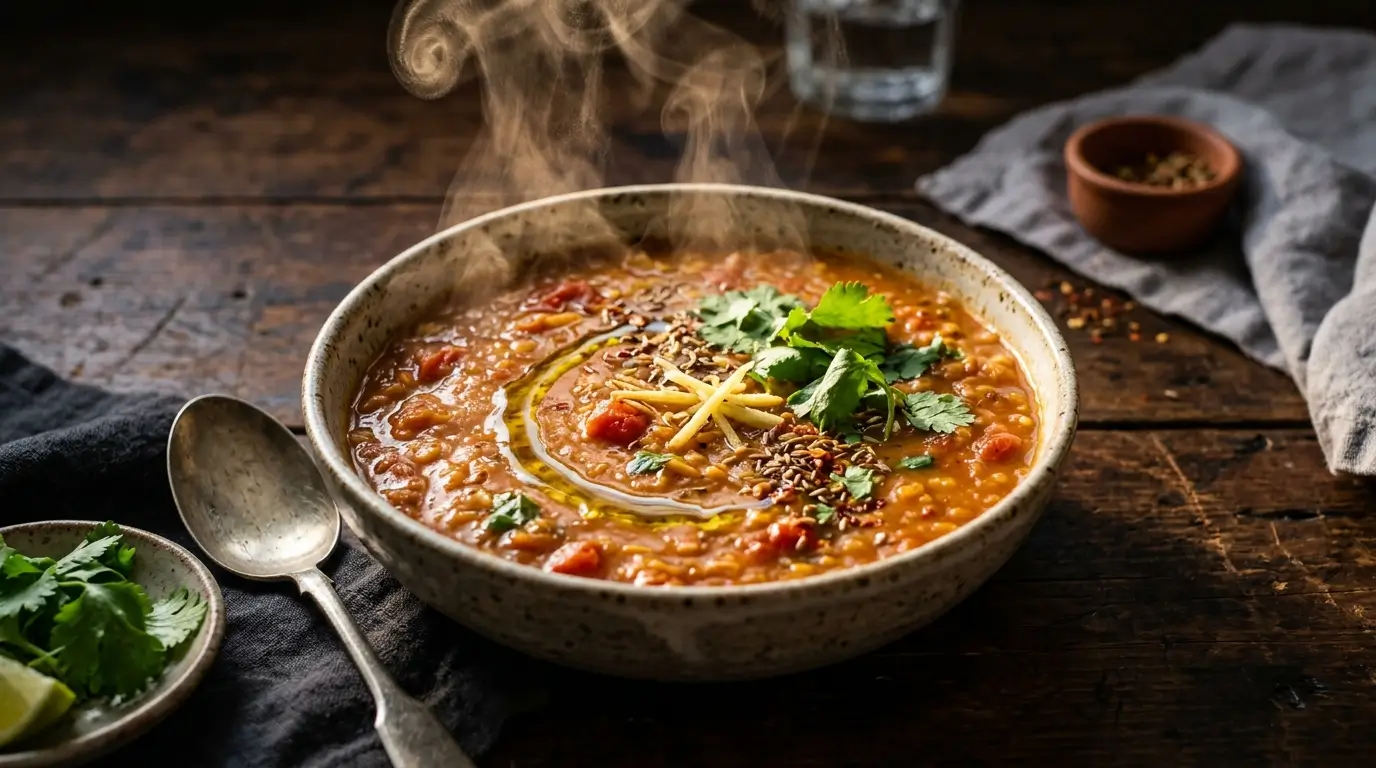
Dal is one of the most nutritionally complete meals you can make for under $1 per serving. Sauté diced onion in a little oil until golden, then add minced fresh ginger, garlic, and a diced tomato. Stir in red lentils, turmeric, cumin, coriander, and enough water or broth to cover by two inches.
Simmer for 20 minutes until the lentils dissolve into a thick, creamy porridge-like consistency. The fresh ginger adds a brightness that makes this dish taste far more complex than its ingredient list suggests. Serve over rice or with flatbread. One cup of dry red lentils costs around $1.50 at any grocery store and makes four generous servings. Few meals deliver more protein and fiber per dollar than this one.
2. Potato and Egg Hash with Fresh Bell Peppers
Potatoes are the most undervalued budget ingredient most people walk right past. Dice four medium russet potatoes into small cubes. Cook them in a skillet with oil over medium heat, pressing them down occasionally, until golden and crispy on the outside, about 15 minutes.
Add diced fresh bell pepper and onion to the pan and cook five more minutes. Push everything to the sides, crack four eggs into the center, and scramble them gently as they cook. Season the whole pan with garlic powder, smoked paprika, salt, and pepper. This skillet feeds four people for about $3 total. It works for breakfast, lunch, or dinner without any adjustments whatsoever.
3. Fresh Cabbage and Carrot Stir-Fry Over Rice
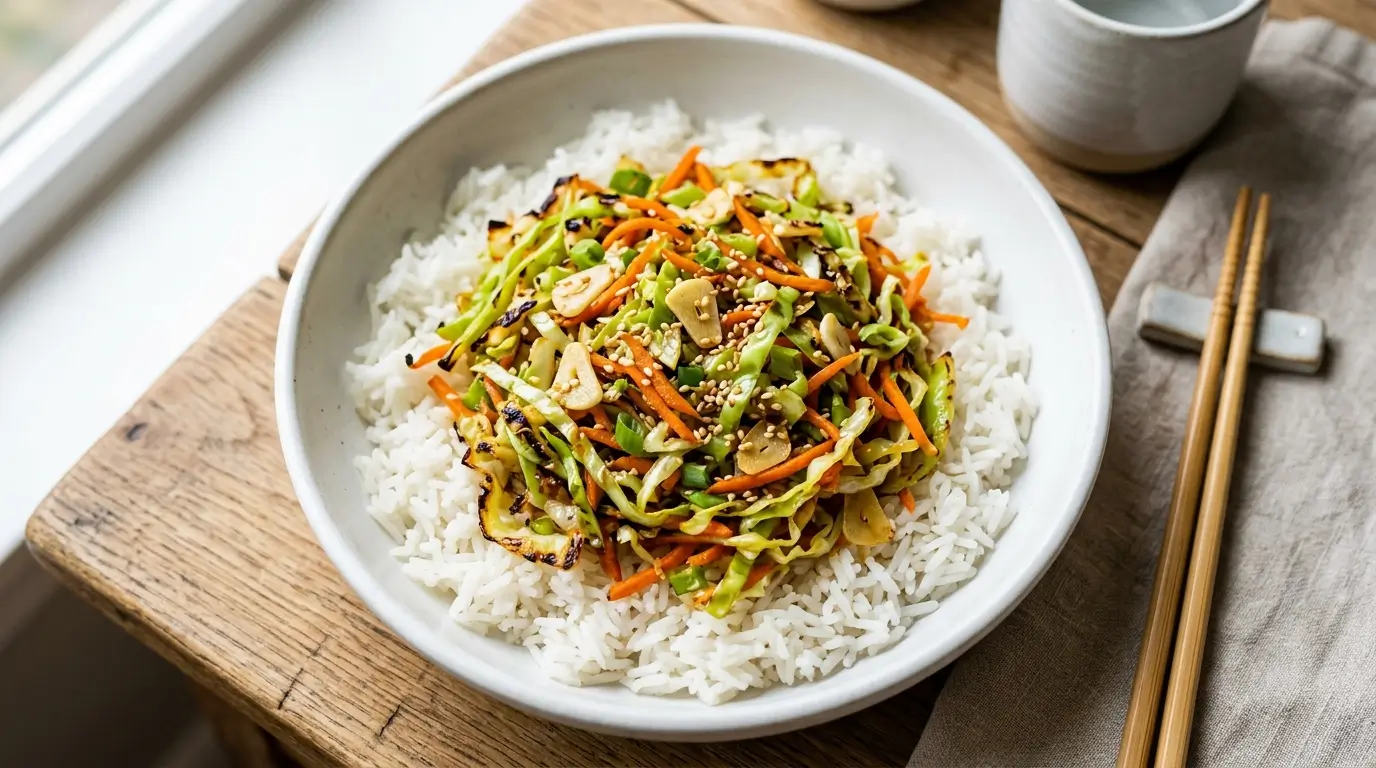
Cabbage is one of the few vegetables that costs almost nothing, lasts two weeks in the fridge, and tastes genuinely good when cooked properly. Shred a quarter head of green cabbage into thin strips. Grate one large carrot. Slice two cloves of garlic.
Heat oil in a large skillet over high heat. Add the garlic for 30 seconds, then toss in the cabbage and carrot. Stir constantly for four minutes until the cabbage softens and picks up a little color. Season with soy sauce, a tiny drizzle of sesame oil if you have it, and black pepper. Serve over white rice. The whole meal costs under $2 and fills you up completely. This is one of those easy fresh recipes for low income households that feels simple but hits every time.
4. White Bean and Garlic Toast with Fresh Tomatoes
This Italian-inspired meal sounds fancier than it is, and it costs almost nothing. Drain and rinse a can of white cannellini beans. Warm them in a small pan with olive oil, two smashed garlic cloves, salt, and a splash of water. Mash roughly with a fork until half the beans are creamy and half remain whole.
Toast thick slices of bread until golden. Spread the warm bean mixture generously over each slice. Top with diced fresh tomato, a drizzle of olive oil, and fresh or dried basil. This is a complete meal that costs around $2.50 for two people. The beans provide plant-based protein that genuinely keeps hunger away for hours, which matters when you’re trying to stretch every dollar.
5. Simple Tomato and Egg Drop Soup
This soup takes ten minutes and uses almost nothing. Bring three cups of chicken or vegetable broth to a gentle simmer. Add two diced fresh tomatoes, a pinch of salt, and a little white pepper. Let the tomatoes cook for five minutes until they soften into the broth.
Whisk two eggs in a small bowl. Slowly drizzle the whisked eggs into the simmering soup while stirring gently in one direction. The eggs cook instantly into soft, silky ribbons throughout the broth. Add sliced green onions on top. Serve with rice or bread. This soup costs about $1.50 for two generous bowls and feels surprisingly restorative, especially on cold days or when you’re running low on groceries.
6. Peanut Butter Noodles with Fresh Cucumber and Green Onion
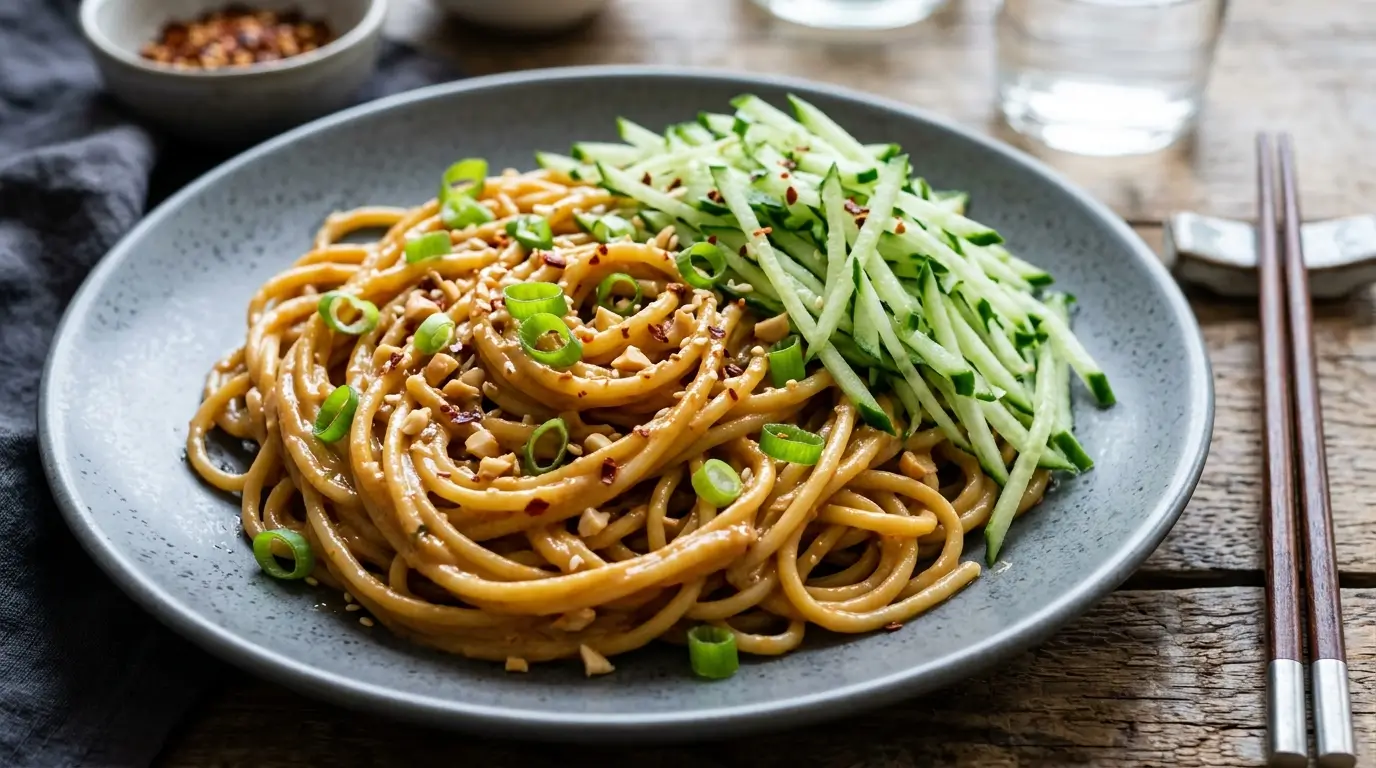
Budget cooking gets interesting when you start thinking globally rather than defaulting to the same ten dishes. Cook a half-pound of spaghetti or any noodle you have. While it cooks, whisk together two tablespoons of peanut butter, a tablespoon of soy sauce, a small squeeze of honey, a splash of rice vinegar or plain white vinegar, and enough warm water to make a pourable sauce.
Drain the noodles and toss them in the peanut sauce immediately. Top with thinly sliced fresh cucumber and sliced green onion. The cucumber adds cool crunch against the warm, savory noodles. This dish costs under $2 for two large servings and the peanut butter adds enough protein and fat to make it filling. IMO, this recipe surprises people every single time because it tastes like something you’d order at a restaurant.
7. Slow-Cooked Pinto Beans with Onion and Fresh Garlic
Dried beans cooked from scratch are one of the most powerful tools in any low-income kitchen. A one-pound bag of dried pinto beans costs around $1.50 and makes eight servings. Soak them overnight in cold water, drain, and add to a large pot with fresh water, a halved onion, four whole garlic cloves, salt, and cumin.
Simmer on low heat for 90 minutes until completely tender. The beans absorb the garlic and onion flavor deeply throughout the cooking process. Serve them as a side dish, mash them for tacos, or eat them plain over rice with fresh chopped tomato on top. These beans reheat beautifully for days and form the base of multiple different meals throughout the week.
8. Fresh Vegetable Omelette with Whatever Is Left in the Fridge
An omelette sounds straightforward until you realize most people overcook them into rubbery disappointment. Use medium heat, not high. Whisk two or three eggs with a pinch of salt and a splash of water. Melt a small amount of butter or oil in a non-stick skillet and pour in the eggs.
Let them sit without stirring for 30 seconds until the edges start setting. Then use a spatula to gently push the cooked edges toward the center while tilting the pan so the raw egg runs to the edges. When the top looks mostly set but still slightly glossy, add your fillings, diced fresh tomato, spinach, onion, or whatever vegetables you have. Fold and slide onto a plate. Two eggs and vegetable scraps make a filling meal for one person for under $1.
9. Rice and Vegetable Congee with a Soft Egg
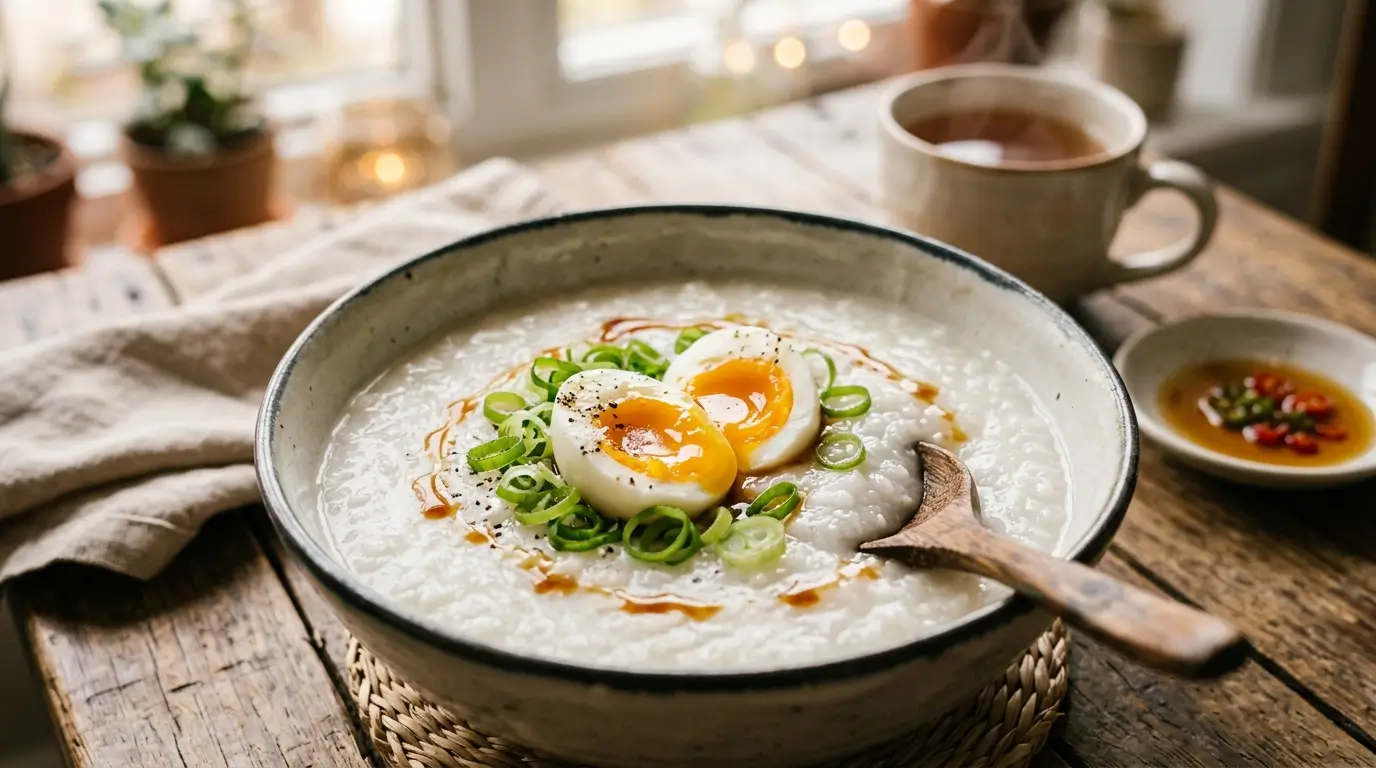
Congee is a rice porridge eaten across much of Asia, and it happens to be one of the most satisfying things you can make when the pantry feels empty. Add half a cup of rice to four cups of water or broth in a pot. Cook over medium-low heat for 30 to 40 minutes, stirring occasionally, until the rice breaks down completely into a thick, creamy porridge.
Season with salt and a drizzle of soy sauce. Top with a soft-boiled egg, sliced green onion, and any fresh vegetable you have on hand. A soft-boiled egg is simply an egg simmered in water for six and a half minutes, then immediately rinsed under cold water. The yolk stays jammy and rich. This entire bowl costs under $1 and feels deeply nourishing rather than like a poverty meal, which is exactly the point.
10. Fresh Herb Flatbread with Garlic Oil
Flour, water, salt, and a little oil make a flatbread that takes 20 minutes from start to finish. Mix one cup of flour with a pinch of salt and enough water to form a soft dough, usually about a third of a cup. Divide into small balls and roll each one flat. Cook in a dry hot skillet for two minutes per side until they puff and char slightly.
Mix a small amount of olive oil with minced garlic and chopped fresh parsley. Brush the warm flatbreads generously with the garlic oil. These taste genuinely incredible straight from the pan. They work as a side dish, as a base for bean spread, or on their own as a snack. A full batch costs pennies and feels like a proper meal addition rather than desperation cooking.
Why Easy Fresh Recipes for Low Income Households Deserve Respect
There is something frustrating about the way budget cooking gets treated as lesser cooking, as if eating on a tight income means you should settle for less flavor, less nutrition, and less enjoyment at the table. That narrative is simply not true.
The ingredients that form the backbone of these easy fresh recipes for low income households, lentils, dried beans, potatoes, eggs, cabbage, rice, and onions, have fed populations across centuries because they work. They are nutritionally dense, flexible, and forgiving. You can season them a hundred different ways before they get boring.
Fresh additions like garlic, ginger, tomatoes, fresh herbs, and citrus cost very little and make an enormous difference in how food tastes and feels. Shopping at Aldi, Lidl, or the ethnic grocery stores in your area often reveals the best prices on exactly these kinds of fresh ingredients. A bunch of cilantro at a Mexican grocery store costs 50 cents. At a mainstream supermarket, it runs $1.50. Same herb. Very different price.
FYI, building a small collection of spices over time, even one or two per grocery trip, changes budget cooking completely. Cumin, turmeric, smoked paprika, garlic powder, and chili powder can make a pot of beans taste like five completely different meals depending on how you use them.
FAQs
What are the best easy fresh recipes for low income households using only pantry staples?
Red lentil dal, pinto beans from scratch, rice congee, and white bean toast all start almost entirely from pantry staples. A diced fresh tomato, a clove of garlic, or a green onion on top makes them taste fresh without adding significant cost. These meals cover breakfast, lunch, and dinner across an entire week.
How do I eat nutritiously when my grocery budget is under $25 a week?
Focus your spending on dried beans, lentils, rice, eggs, and whatever fresh vegetables are cheapest that week. Cabbage, carrots, onions, potatoes, and seasonal tomatoes deliver the most nutrition per dollar. A $25 weekly budget for one person covers all of these comfortably when you cook from scratch instead of buying packaged foods.
Are these meals filling enough for adults doing physical work?
Most of them are genuinely high in calories, protein, and complex carbohydrates, which means they sustain energy well. Lentil dal, bean dishes, egg-based meals, and rice with protein toppings all provide enough fuel for physical labor. Adding extra rice, an additional egg, or a larger serving of beans boosts calories without adding meaningful cost.
Can I make these recipes without a full kitchen setup?
Several of them work with just one pan and a single burner. The egg drop soup, cabbage stir-fry, flatbreads, potato hash, and omelette all require minimal equipment. A single cast iron or non-stick skillet, one pot, and a cutting board cover everything on this list. You don’t need a full kitchen to cook real food.
How do I keep fresh ingredients fresh longer on a tight budget?
Store fresh ginger whole in the freezer and grate it from frozen. Keep green onions in a glass of water on the counter and they regrow for weeks. Wrap cut cabbage tightly in plastic or beeswax wrap and refrigerate. Store garlic in a cool dry spot away from sunlight. These small habits prevent waste and stretch your produce budget noticeably further.
Conclusion
Eating well on very little money is genuinely possible when you stop looking at cheap ingredients as a limitation and start seeing them as a foundation. Every recipe on this list came from real tight-budget cooking, not a theoretical meal plan built in a comfortable test kitchen. Which one feels most doable for where you are right now?

Leave a Reply