

Managing blood sugar through food feels overwhelming until you realize that quick fresh recipes for people with diabetes don’t have to be bland, complicated, or depressingly small. My father was diagnosed with type 2 diabetes four years ago, and the first thing he said was that he refused to eat “sick people food.” Fair enough. What followed was months of testing real meals that kept his glucose stable without making him feel like he was being punished at every single meal.
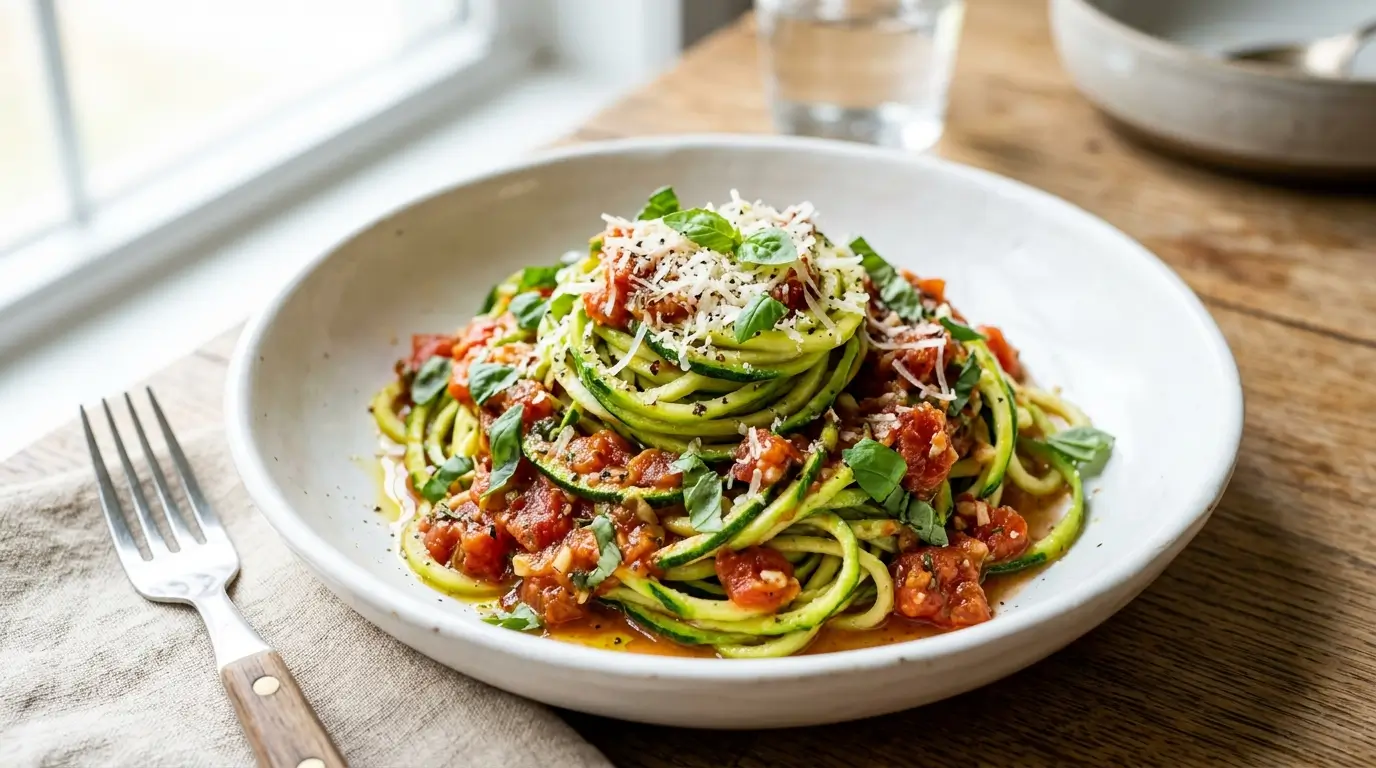
1. Zucchini Noodles with Fresh Tomato and Basil Sauce
Swapping pasta for zucchini noodles cuts the carbohydrate load dramatically while keeping the satisfying texture of a noodle dish. Use a spiralizer or a simple julienne peeler to create zucchini noodles from two medium zucchinis. Sauté them in olive oil for just two minutes over medium-high heat so they stay firm rather than turning soggy.
For the sauce, cook diced fresh tomatoes with garlic, olive oil, and torn basil leaves for ten minutes until the tomatoes break down into a chunky sauce. Toss with the zucchini noodles and finish with a little parmesan. The glycemic load of this entire dish is remarkably low compared to traditional pasta, and my dad genuinely forgot to miss the real thing after a few weeks of eating this version.
2. Sheet Pan Lemon Herb Chicken Thighs with Roasted Broccoli
Protein and non-starchy vegetables together form the most blood sugar-friendly meal structure possible. Season bone-in chicken thighs with lemon zest, dried oregano, garlic powder, olive oil, salt, and pepper. Arrange them on a sheet pan with broccoli florets tossed in the same seasoning. Roast at 425°F for 35 minutes.
The chicken skin crisps up beautifully and the broccoli gets slightly charred at the edges, which brings out a natural sweetness. This meal causes minimal glucose response because there are no refined carbohydrates anywhere in it. Pair it with a simple green salad dressed with olive oil and lemon if you want something extra on the plate. One pan, 40 minutes total, and genuinely satisfying.
3. Greek Salad with Grilled Chicken and Fresh Herbs
Some of the best quick fresh recipes for people with diabetes require almost no cooking at all. Grill or pan-cook a chicken breast until cooked through, then slice it thinly. Toss chopped romaine lettuce, diced cucumber, cherry tomatoes, kalamata olives, and crumbled feta together in a large bowl.
Dress with olive oil, red wine vinegar, dried oregano, salt, and pepper. Lay the sliced chicken over the top and scatter fresh parsley or dill across everything. This salad provides lean protein, healthy fats, and fiber-rich vegetables with almost no carbohydrates to manage. It fills you up without any spike, and it takes about 15 minutes from start to finish including the chicken cooking time.
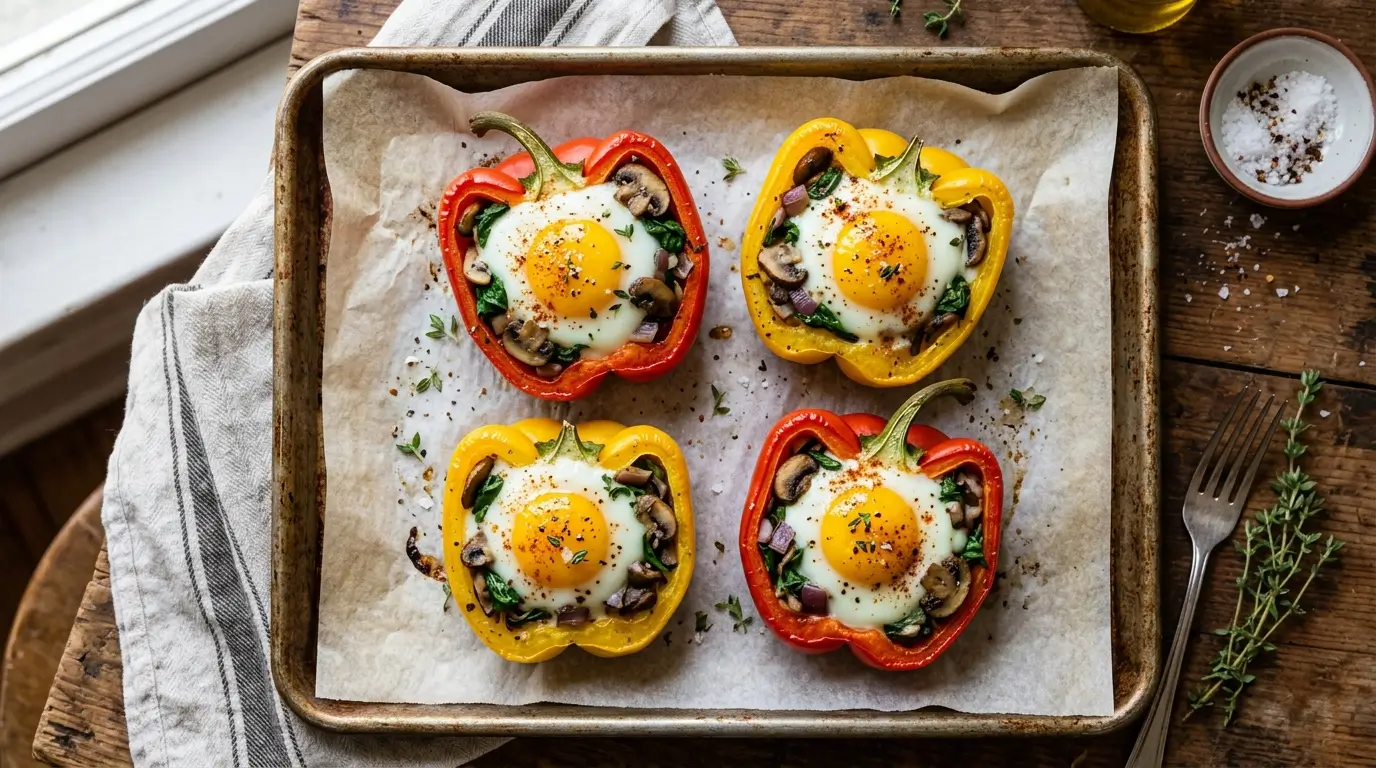
4. Egg and Vegetable Stuffed Bell Peppers
Bell peppers make a natural low-carb vessel for all kinds of fillings. Cut two large bell peppers in half lengthwise and remove the seeds. Brush with a little olive oil and place cut-side up on a baking sheet. Sauté diced mushrooms, spinach, and onion in a skillet with olive oil until softened.
Spoon the vegetable mixture into each pepper half. Crack one egg on top of the vegetables in each pepper. Season with salt, pepper, and a pinch of smoked paprika. Bake at 375°F for 20 to 22 minutes until the egg whites are set. The bell pepper itself adds vitamin C and fiber without contributing significant carbohydrates to the meal. These look impressive and take under 30 minutes of actual effort.
5. Cucumber and Avocado Tuna Salad Lettuce Wraps
Canned tuna gets dismissed as boring, but this version is genuinely worth making. Drain a can of wild-caught tuna and mix it with half a diced avocado, diced cucumber, a squeeze of lemon juice, a small spoonful of Dijon mustard, salt, and pepper. Skip the mayonnaise entirely since the avocado provides all the creaminess you need.
Spoon the tuna mixture into large romaine lettuce leaves and eat them like wraps. The healthy fats from the avocado slow digestion and help prevent any blood sugar spike from the small amount of natural carbohydrates in the vegetables. This lunch takes five minutes to assemble and keeps you full for hours. IMO, this is one of the most practical diabetes-friendly meals because it requires zero cooking and zero cleanup beyond a cutting board.
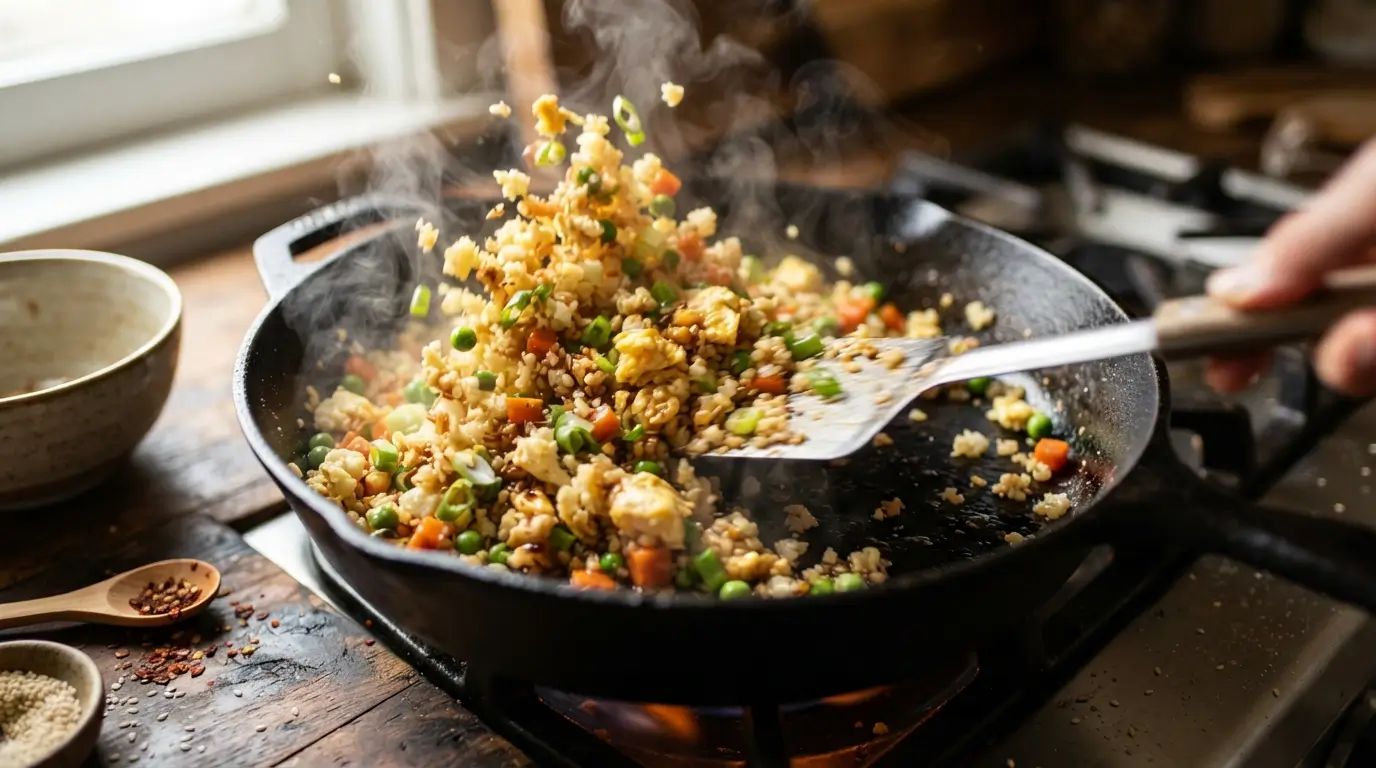
6. Cauliflower Fried Rice with Eggs and Vegetables
Regular fried rice sends blood sugar soaring. Cauliflower rice keeps all the satisfaction of the dish while cutting the carbohydrate content by roughly 80 percent. Pulse cauliflower florets in a food processor until they resemble rice grains, or buy a bag of pre-riced cauliflower from Trader Joe’s or any major grocery store.
Heat a large skillet very hot with oil. Add the cauliflower rice and press flat, cooking without stirring for two minutes so it develops some color. Push to one side and scramble two eggs in the empty space. Mix together and add frozen peas, diced carrot, soy sauce, and sesame oil. Top with sliced green onion. This entire meal takes 15 minutes and tastes genuinely close to the original version.
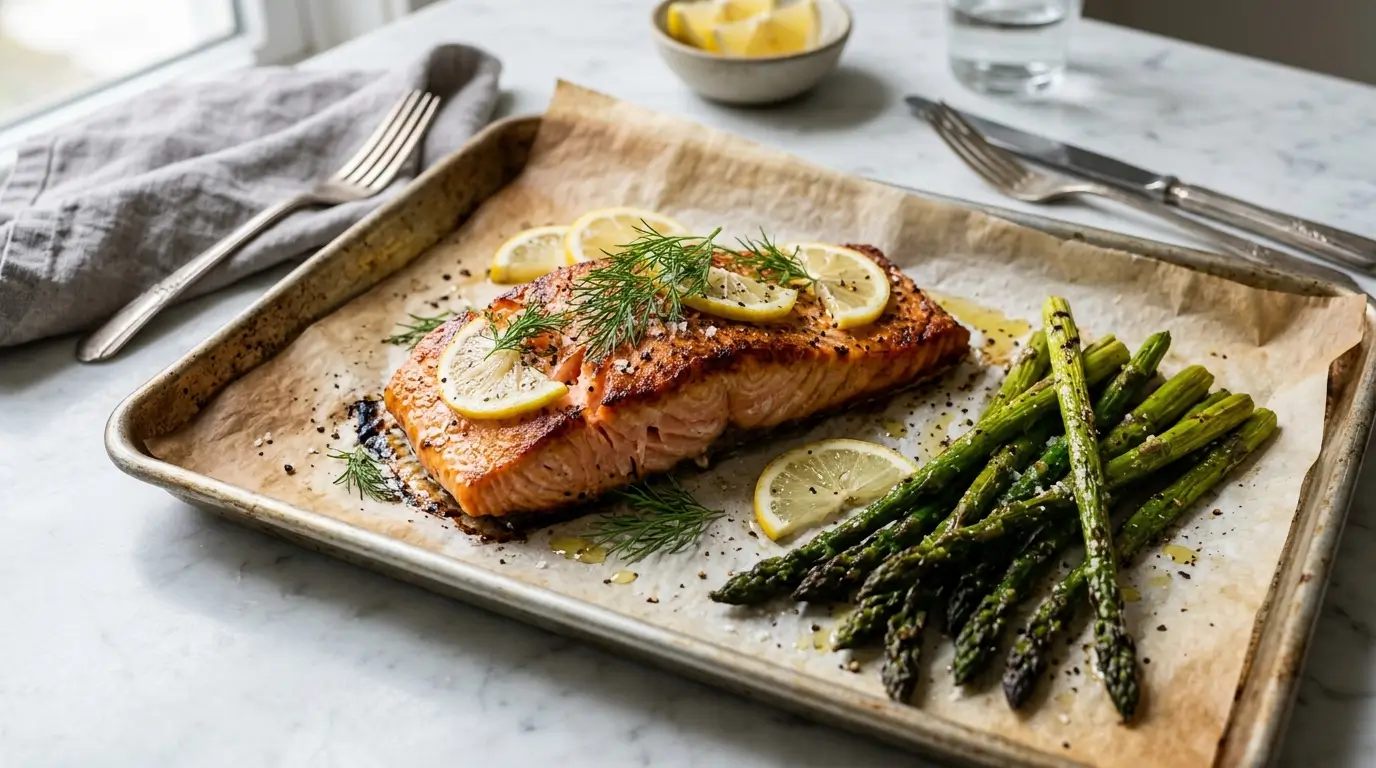
7. Salmon with Asparagus and Fresh Dill
Fatty fish like salmon sit at the top of any diabetes-friendly food list for good reason. The omega-3 fatty acids help reduce inflammation, which matters significantly for long-term diabetes management. Place a salmon filet on a parchment-lined baking sheet. Arrange asparagus spears around it. Season both with olive oil, salt, pepper, lemon slices, and plenty of fresh dill.
Roast at 400°F for 12 to 15 minutes depending on thickness. The salmon stays moist and the asparagus gets tender with slightly crispy tips. Asparagus is a particularly good vegetable choice because it’s high in fiber and very low in digestible carbohydrates. This meal impresses guests and takes genuinely almost no effort to pull together.
8. Spinach and Mushroom Omelette with Feta
Eggs are one of the most diabetes-friendly proteins available because they contain essentially zero carbohydrates. Whisk three eggs with a pinch of salt and a splash of water. Melt butter in a non-stick skillet over medium heat and sauté sliced mushrooms and fresh spinach for two minutes until wilted.
Remove the vegetables and pour the egg mixture into the same pan. Let the eggs set at the edges before gently folding the cooked portions toward the center. When the top is mostly set, add the mushroom and spinach mixture and crumble feta over one half. Fold and slide onto a plate. This omelette takes eight minutes and keeps blood sugar completely stable for a full morning. My dad eats this three or four mornings per week without any complaints whatsoever.
9. Turkey and Avocado Lettuce Wraps with Fresh Salsa
Store-bought wraps and bread add carbohydrates fast, but large romaine or butter lettuce leaves handle fillings surprisingly well without any carb contribution. Layer sliced turkey breast, thin slices of avocado, and a spoonful of fresh salsa into each leaf. Roll tightly and eat immediately.
For a quick fresh salsa, dice tomato, red onion, cilantro, and jalapeño together with lime juice and salt. It takes three minutes. The fresh salsa adds brightness and flavor without any added sugar, unlike most jarred versions. Turkey provides lean protein while the avocado adds satisfying fat. This lunch requires no cooking at all and keeps glucose levels completely even.
10. Chickpea and Cucumber Salad with Lemon and Fresh Parsley
Chickpeas sit higher on the glycemic scale than some legumes, but their high fiber content slows the absorption of their natural sugars significantly, making them a reasonable choice in moderate portions. Drain and rinse one can of chickpeas. Combine with diced cucumber, halved cherry tomatoes, thinly sliced red onion, and a large handful of fresh flat-leaf parsley.
Dress generously with olive oil, fresh lemon juice, dried oregano, salt, and pepper. Let the salad sit for ten minutes before eating so the flavors meld together. Keep the chickpea portion to about half a cup per serving to manage the carbohydrate contribution. This salad refrigerates well for two days and works as a side dish or a light lunch on its own.
Why Quick Fresh Recipes for People with Diabetes Make Such a Difference
Food choices affect blood glucose more directly than almost any other daily habit, and the difference between a fresh home-cooked meal and a processed convenience food shows up clearly on a glucose monitor. Fresh ingredients come without hidden added sugars, refined starches, and seed oils that make blood sugar management significantly harder.
The meals in this collection follow a consistent framework: non-starchy vegetables as the base, lean protein as the anchor, and healthy fats to slow digestion and extend satiety. That structure keeps blood sugar steady without requiring calorie counting, carb tracking apps, or miserable portion sizes.
Fresh cooking also gives you complete control over what goes into your food. Restaurant meals and packaged foods often contain sugar in places you’d never expect, salad dressings, marinades, sauces, and soups. Cooking these quick fresh recipes for people with diabetes at home eliminates that guesswork entirely.
FYI, investing in a few simple tools makes fresh cooking significantly easier for anyone managing diabetes. A spiralizer for zucchini noodles, a food processor for cauliflower rice, and a good non-stick skillet cover most of what these recipes require. None of these tools cost more than $30 at most retailers.
FAQs
Are these quick fresh recipes for people with diabetes suitable for type 1 as well as type 2?
Most of them work well for both types since they focus on low-glycemic whole foods that cause minimal blood sugar fluctuation. People with type 1 still need to count carbohydrates carefully and adjust insulin accordingly. Always work with your healthcare provider or a registered dietitian to match any meal plan to your specific management approach.
How do I know if a fresh meal is actually blood sugar friendly?
Look at the fiber content, the protein content, and whether the carbohydrates come from whole food sources rather than refined grains or added sugars. Meals built around non-starchy vegetables, eggs, fish, poultry, legumes, and healthy fats consistently cause smaller glucose spikes than grain-heavy or sweetened meals.
Can I meal prep any of these recipes ahead of time?
Several prep well in advance. The Greek salad without dressing, chickpea cucumber salad, tuna avocado mixture, and cauliflower fried rice all refrigerate well for three to four days. The sheet pan chicken and salmon dishes reheat beautifully. Prepping two or three meals on a Sunday makes weekday blood sugar management much less stressful.
What fresh vegetables are best for keeping blood sugar stable?
The lowest-impact vegetables for blood sugar include zucchini, spinach, broccoli, cucumber, asparagus, cauliflower, bell peppers, mushrooms, and leafy greens. These are all high in fiber and water content with very few digestible carbohydrates. Building meals around these vegetables and adding protein and fat creates the most stable glucose response possible.
Do I need to avoid all carbohydrates completely when cooking for diabetes?
Not at all. Eliminating carbohydrates entirely is neither necessary nor sustainable for most people. The focus should be on choosing carbohydrates that come with fiber, like legumes, non-starchy vegetables, and small amounts of whole grains, while avoiding refined carbohydrates like white bread, white rice, and added sugars that spike blood sugar quickly.
Conclusion
Eating well with diabetes is genuinely not about restriction, it’s about building meals around ingredients that work with your body instead of against it. Every recipe on this list came out of real cooking for someone I love, and every one of them passed the real-world test of actually tasting good enough to repeat. Which one are you putting on your plate this week?

Leave a Reply