
Most weight loss meal plans fail the same way: the food is so unsatisfying that you abandon the whole thing by Wednesday. These beginner friendly fresh recipes for weight loss goals took me through losing 30 pounds over eight months without once feeling like I was white-knuckling my way through dinnertime. The secret isn’t tiny portions or sad salads. It’s building meals around ingredients that genuinely fill you up while keeping calories reasonable and cooking simple enough to actually stick with.
1. High-Protein Greek Yogurt Breakfast Bowl
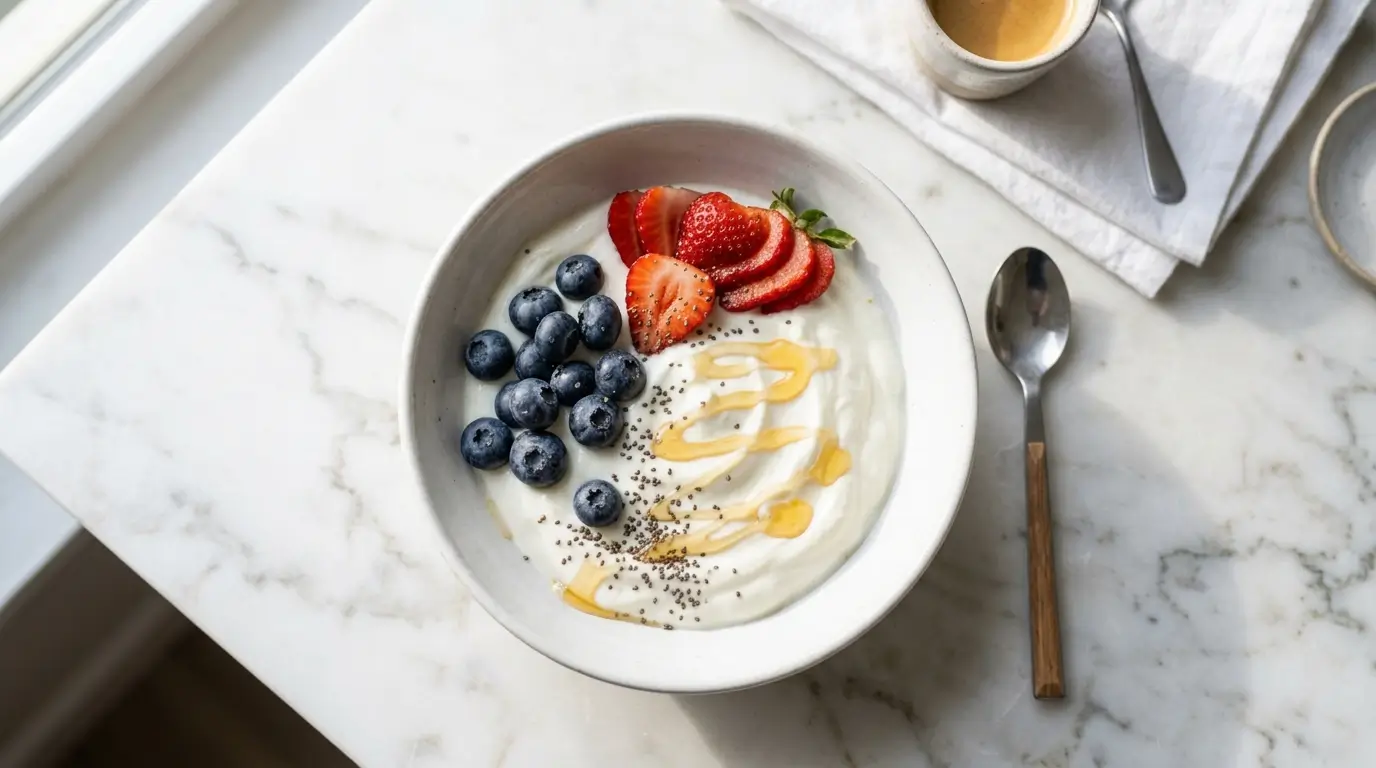
Starting the day with enough protein makes an enormous difference in how much you eat for the rest of it. Scoop a generous cup of plain Fage 2% Greek yogurt into a bowl. Top with a handful of fresh blueberries or sliced strawberries, a small drizzle of honey, and a tablespoon of chia seeds.
The combination delivers roughly 20 grams of protein in a bowl that takes 90 seconds to assemble. Protein at breakfast reduces hunger hormone levels for hours afterward, which means you’re far less likely to raid the snack cabinet at 10 AM. This bowl tastes genuinely creamy and satisfying rather than like a diet compromise, and it costs about $1.50 per serving when you buy Greek yogurt in the large Costco tubs.
2. Sheet Pan Lemon Chicken with Broccoli and Zucchini
Lean protein paired with non-starchy vegetables is the structural foundation of almost every beginner friendly fresh recipe for weight loss goals that actually works long-term. Season chicken breast cutlets with lemon zest, garlic powder, dried oregano, olive oil, salt, and pepper. Arrange them on a sheet pan with broccoli florets and sliced zucchini tossed in the same seasoning.
Roast at 425°F for 22 to 25 minutes. The chicken stays juicy because the thin cutlets cook evenly and quickly. The vegetables get slightly charred at the edges, which makes them taste far more interesting than plain steamed broccoli. One serving runs around 350 calories with 40 grams of protein and keeps hunger away for a solid four to five hours.
3. Egg White and Vegetable Scramble with Fresh Salsa
Whole eggs are nutritious and perfectly fine for most people, but egg whites specifically deliver pure protein with almost zero fat or calories, which makes them genuinely useful for weight loss cooking. Whisk four egg whites with one whole egg, salt, and pepper. This keeps the richness of one full yolk without doubling the calorie count of an all-yolk scramble.
Cook in a non-stick skillet with a tiny amount of olive oil over medium heat. Fold in diced fresh tomato, spinach, and sliced green onion as the eggs set. Top the finished scramble with a spoonful of fresh pico de gallo from the grocery store refrigerated section or diced tomato mixed with cilantro and lime juice. The fresh salsa adds flavor without adding calories worth counting.
4. Big Green Salad with Grilled Salmon and Lemon Vinaigrette
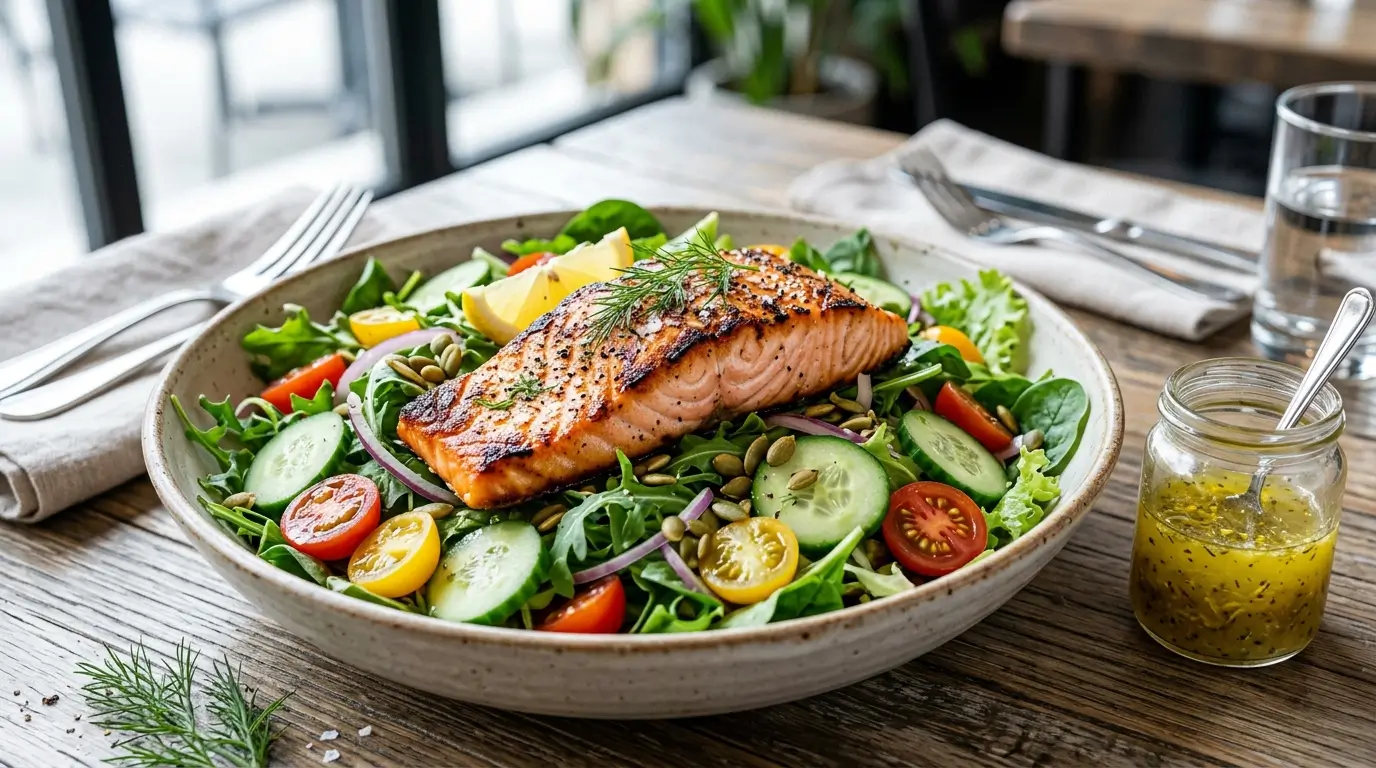
Salads get a bad reputation for leaving people hungry an hour later, and the reason is almost always that they lack sufficient protein and fat. This version solves that problem completely. Grill or pan-cook a salmon filet until it flakes easily, about four minutes per side over medium-high heat. Let it rest while you assemble the salad base.
Toss mixed greens, arugula, cucumber slices, cherry tomatoes, thinly sliced red onion, and a small handful of pumpkin seeds together in a large bowl. Make a simple dressing with two tablespoons of olive oil, the juice of one lemon, a teaspoon of Dijon mustard, salt, and pepper. Dress the salad lightly, place the salmon on top, and eat. This salad runs around 450 calories and keeps you completely full through any afternoon.
5. Turkey and Vegetable Stuffed Zucchini Boats
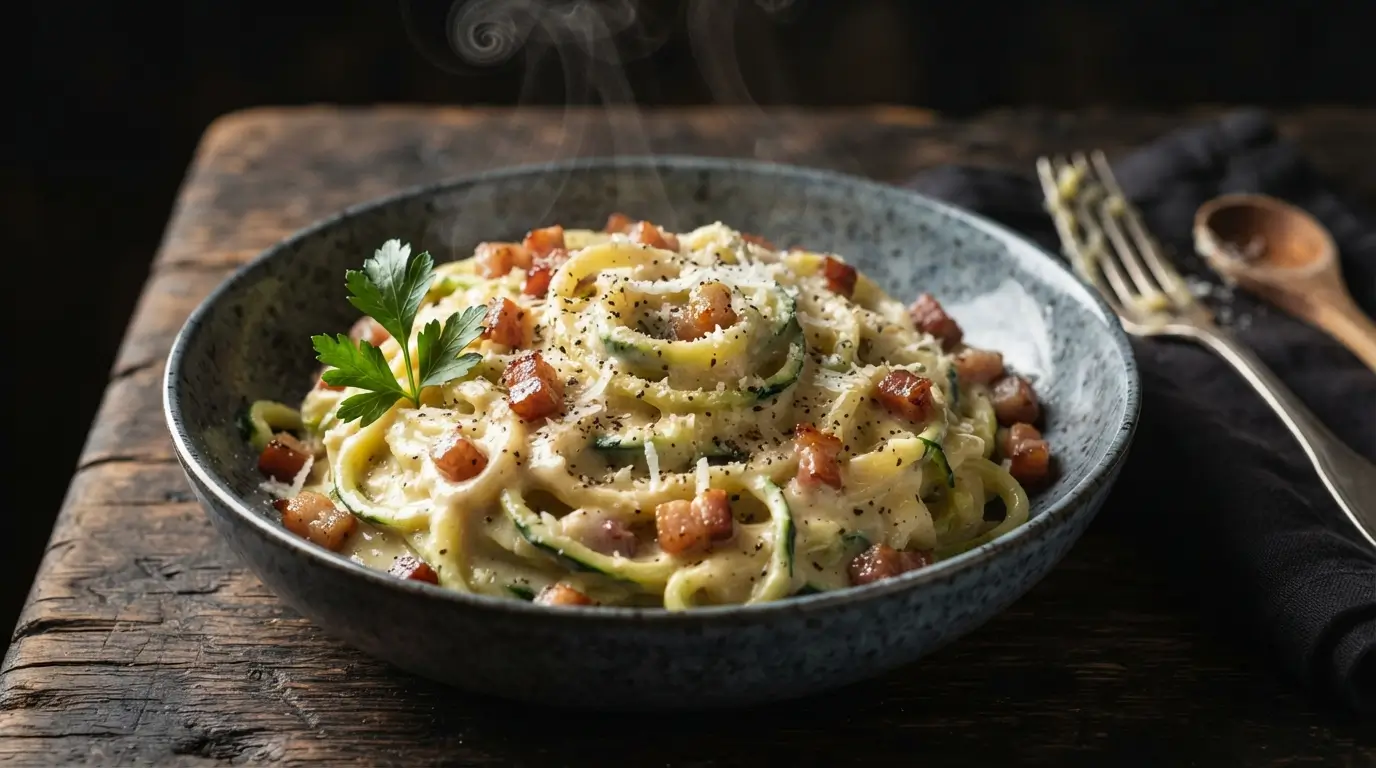
Zucchini boats sound like something you’d see on a Pinterest board and then never actually make, but they’re genuinely easy and consistently satisfying. Halve two large zucchinis lengthwise and scoop out the seedy center with a spoon. Brush with olive oil and bake at 400°F for 10 minutes while you prepare the filling.
Brown ground turkey in a skillet with diced onion, garlic, canned diced tomatoes, Italian seasoning, salt, and pepper. Spoon the turkey mixture into the zucchini boats and return to the oven for 15 more minutes. Scatter a small amount of shredded mozzarella over each boat in the last five minutes if you want something that feels a little indulgent. Four zucchini halves make a full dinner for two people at roughly 380 calories per serving.
6. Cauliflower Rice Stir-Fry with Shrimp and Vegetables
Regular rice isn’t the enemy, but swapping it for cauliflower rice drops roughly 150 calories per serving while adding fiber and volume to the meal. Buy pre-riced cauliflower from Trader Joe’s or any grocery store to skip the food processor step entirely. Heat a large skillet very hot with a small amount of oil.
Add shrimp and cook two minutes per side until pink. Remove the shrimp and add the cauliflower rice to the same pan. Press flat and let it sit for two minutes without stirring to develop some color. Add snap peas, shredded carrot, and sliced bell pepper. Season with tamari or low-sodium soy sauce and a drizzle of sesame oil. Return the shrimp and toss everything together. The entire meal hits around 300 calories per generous serving.
7. Lentil and Spinach Soup with Fresh Lemon
Soup is one of the most underrated tools for weight loss because the high water content provides volume and satiety for very few calories. Red lentil soup specifically delivers fiber and protein that keeps hunger suppressed for hours. Sauté diced onion, garlic, and carrot in olive oil for five minutes. Add red lentils, vegetable broth, cumin, turmeric, and smoked paprika.
Simmer for 20 to 25 minutes until the lentils completely dissolve into a thick, creamy texture. Stir in two large handfuls of fresh spinach and a generous squeeze of fresh lemon juice right before serving. The lemon brightens everything and cuts through the earthiness of the lentils. One large bowl runs about 280 calories and genuinely keeps you full until your next meal without any struggle.
8. Cucumber and Avocado Tuna Lettuce Cups
The fastest lunch on this entire list requires zero cooking and zero cleanup beyond a cutting board. Drain a can of wild-caught tuna and mix it with half a diced avocado, diced cucumber, a squeeze of lemon, a small spoonful of Dijon mustard, and black pepper. Skip the mayonnaise entirely since the avocado provides all the creaminess needed.
Spoon the mixture into large romaine lettuce leaves and fold them into cups. The meal delivers lean protein from the tuna, healthy fats from the avocado, and crunch from the lettuce and cucumber in a package that takes five minutes and runs around 280 calories for a generous serving. IMO, this is the recipe most beginners underestimate until they try it and realize it’s actually delicious.
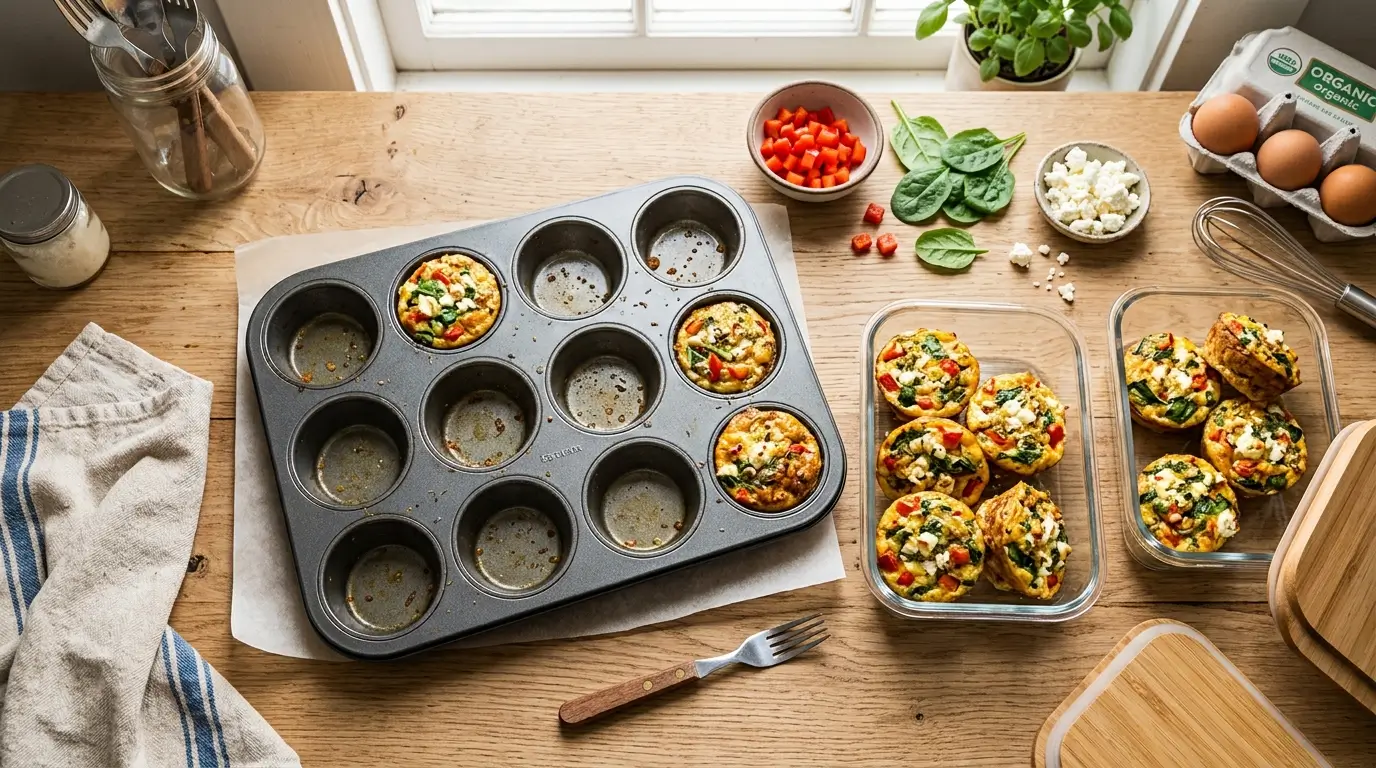
9. Baked Egg and Vegetable Muffins for Meal Prep
These egg muffins take 25 minutes to make on a Sunday and provide five days of grab-and-go breakfasts or snacks. Whisk eight eggs with a splash of milk, salt, pepper, and your choice of vegetables, diced bell pepper, spinach, sun-dried tomatoes, and crumbled feta work particularly well together.
Pour the mixture into a greased muffin tin and bake at 350°F for 18 to 20 minutes until set and slightly golden on top. Each muffin runs about 80 calories and two or three of them make a filling breakfast alongside fresh fruit. They refrigerate for five days and reheat in the microwave in 45 seconds. Having real food ready with zero effort is what keeps a weight loss routine from falling apart on busy mornings.
10. Grilled Chicken and Fresh Mango Salsa Bowl
Grilling a chicken breast sounds straightforward, but the mistake most beginners make is cooking it over heat that’s too high, which dries it out completely. Medium-high heat with the lid on for six minutes per side and then resting covered for five minutes off the grill keeps it moist every single time.
While the chicken rests, dice fresh mango, red onion, jalapeño, and cilantro together with lime juice for a quick salsa. Slice the chicken and serve it over a small portion of brown rice or quinoa with the mango salsa spooned generously over the top. The fresh mango adds natural sweetness without any added sugar, and the bright citrus flavors make this bowl taste like something from a restaurant rather than a weight loss meal.
Why Beginner Friendly Fresh Recipes for Weight Loss Goals Outperform Diet Programs
Packaged diet programs and meal replacement shakes have one fundamental problem: the moment you stop buying them, the structure disappears and old habits return. Learning to cook simple, fresh meals creates a skill set that stays with you permanently.
Fresh cooking also gives you genuine control over ingredients that drive weight loss, protein levels, fiber content, and cooking fats. These beginner friendly fresh recipes for weight loss goals are built around a consistent framework: lean protein to preserve muscle and control hunger, non-starchy vegetables to add volume with minimal calories, and healthy fats in moderate amounts to keep meals satisfying without excessive calorie density.
The calorie math works naturally when you cook this way without tracking every gram obsessively. A plate built around grilled chicken, roasted vegetables, and a small portion of a complex carbohydrate rarely exceeds 500 calories and keeps hunger away for hours. That’s how sustainable weight loss happens, not through willpower and restriction, but through eating food that genuinely works with your body.
FYI, investing in a food scale early on helps calibrate your sense of portion sizes for proteins and grains. You don’t need to weigh food forever, but spending a few weeks understanding what four ounces of chicken or half a cup of rice actually looks like makes cooking intuitively much easier going forward.
FAQs
How many calories should beginner friendly fresh recipes for weight loss goals target per meal?
A reasonable target for most adults is 350 to 500 calories per main meal, with total daily intake depending on your specific size, activity level, and goals. The recipes in this collection generally fall within that range. A registered dietitian can give you a precise calorie target based on your individual situation, which is worth doing before starting any structured weight loss approach.
Do I need to count calories to lose weight with these recipes?
Not necessarily. Many people lose weight effectively by focusing on meal structure rather than strict calorie counting. Building every meal around a lean protein, non-starchy vegetables, and a small complex carbohydrate naturally creates a calorie deficit for most people without requiring a tracking app. MyFitnessPal can help if you want more precision, but it isn’t mandatory.
How much protein should I aim for when cooking for weight loss?
Most research supports targeting 0.7 to 1 gram of protein per pound of body weight when trying to lose fat while preserving muscle. For a 150-pound person, that means roughly 105 to 150 grams of protein daily. Spreading that across three meals by anchoring each one with chicken, fish, eggs, or legumes makes hitting that target straightforward without obsessing over it.
Can I eat carbohydrates and still lose weight with these recipes?
Absolutely. Eliminating carbohydrates is not required for weight loss and makes cooking unnecessarily restrictive for most people. The key is choosing carbohydrates that come with fiber, like brown rice, quinoa, sweet potatoes, and legumes, while moderating portion sizes. A quarter to a third of your plate from these sources supports energy and satiety without derailing progress.
What kitchen tools make fresh cooking easier for beginners working on weight loss?
A good non-stick skillet handles most stovetop cooking without requiring excessive oil. A sheet pan lined with parchment paper makes roasting vegetables and proteins nearly effortless. A sharp chef’s knife speeds up vegetable prep significantly. A muffin tin opens up batch cooking options. These four items cover the vast majority of what every recipe in this collection requires.
Conclusion
Losing weight by cooking fresh food at home is genuinely one of the most sustainable approaches available, because the skills you build in the kitchen stay with you long after the scale hits your goal. These recipes worked for me during a real period of real change, and they hold up in real life, not just on paper. Which one are you starting with tomorrow morning?

Leave a Reply